
Huawei predstavuje vylepšené inteligentné sieťové riešenie Stellar pre európsky región v rámci filozofie „Bezpečné a inteligentné pripojenie"
Source: PR Newswire
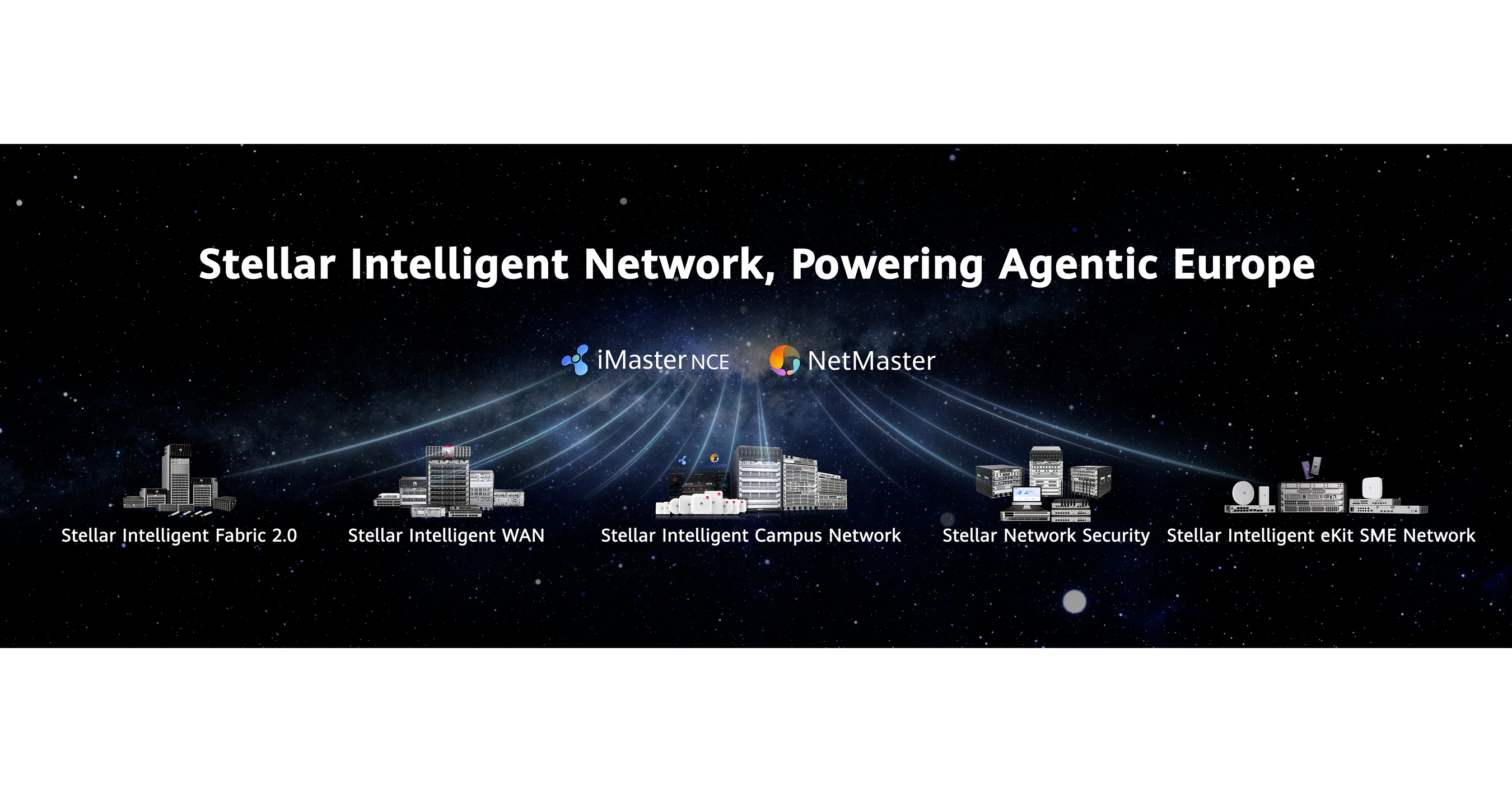
Huawei introduced an upgraded Stellar intelligent networking portfolio for Europe, spanning data-center fabric, WAN and campus networks. The company says the solutions can cut private-line costs by 60%, reduce campus-network TCO by more than 30%, and improve network utilization to 98%; it also cites threat-detection accuracy above 95% and campus-network MTTR of 5 minutes. The announcement includes new SME networking products and a three-level energy-saving framework; the performance figures are Huawei’s claims, with no financial results or market reaction reported.
Analysis
This is a competitive-pricing signal, not yet evidence of material share gains. If Huawei can independently substantiate lower deployment and operating costs, European buyers may use the offer to negotiate harder with Cisco, Arista, Nokia and other network vendors—pressuring pricing before any meaningful displacement appears in reported results. The risk is greatest in enterprise campus and data-center bids where customers can qualify alternatives; regulated and security-sensitive buyers may be less price-responsive.
The counterweight is procurement eligibility. European security policy, customer risk controls and scrutiny of vendor claims could limit adoption, especially for core networks and public-sector deployments. Huawei’s stated performance and savings figures are company claims; without comparable third-party tests, installed-base data and disclosed European contract wins, they should not be translated into revenue or margin assumptions. Lower optical-module counts, if achieved at scale, would also be a headwind for component demand, but the launch alone does not establish volumes.
Near term, expect limited fundamental read-through. Over 1–3 months, watch tender awards, independent benchmarks, channel checks and any policy response. Over 6–18 months, the relevant question is whether lower-cost AI networking changes incumbent pricing or expands total enterprise demand. A thesis of incumbent pressure weakens if Huawei is excluded from major tenders or buyers fail to validate the claimed economics.
AllMind Terminal
AI-powered research, real-time alerts, and portfolio analytics for institutional investors.
Request TrialMarket Sentiment
Overall Sentiment
mildly positive
Sentiment Score
0.30
Key Decisions for Investors
- No trade on the announcement alone; do not infer share gains from product specifications or company-reported savings.
- Monitor European tender outcomes and channel checks for verified deployments, especially in campus and data-center networking; treat repeat wins as the key catalyst for reassessing incumbent pricing risk.
- Track Cisco, Arista and Nokia commentary for discounting, competitive win rates and networking order trends. Evidence of stable pricing and win rates would falsify the near-term displacement thesis.
- Watch European procurement or security restrictions and independent performance tests. Either could materially constrain adoption; component-demand implications remain a watch item until deployment volumes are established.
More News
- AI rapidly improving, could vastly boost U.S. GDP, Anthropic's Clark tells policymakers
- AI stocks plunge. Inflation heats up. Where we're still finding opportunities
- Nasdaq Index: AI Selloff Deepens as Chips and CoreWeave Break
- ‘How many canaries have we killed in the coal mine?’ — Wall Street debates if the latest AI bubble warnings are another head fake or the real thing
- Bending Spoons wants to revive software castoffs. Berkshire is backing the plan
- Christine Lagarde: IMFC Statement