
A World First, Beacon AI Flies Murdock Its AI Pilot Assistant System Aboard Operational USAF Tankers
Source: PR Newswire
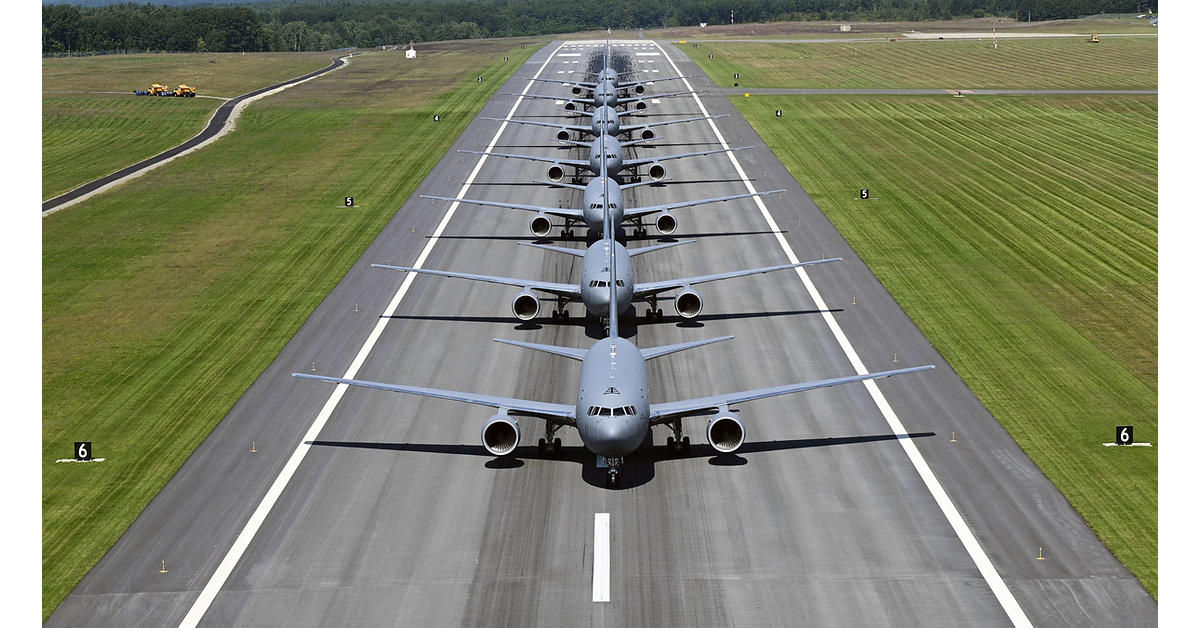
Beacon AI says its Murdock pilot-assistance system flew aboard three operational U.S. Air Force KC-46A aircraft over five flights and approximately 20 hours in August and September 2026 under an AFWERX TACFI contract with Air Mobility Command. The Level 2 system advises aircrews without modifying certified flight-critical systems or taking control; Beacon has raised more than $20 million in venture financing. The flights mark an operational-use milestone, while broader fleet adoption and commercial deployment remain prospective.
Analysis
The investable signal is a lower-friction route for cockpit software adoption—not evidence of a scaled product. Keeping certified flight controls untouched may ease initial integration, but advisory software still faces human-factors validation, cybersecurity, data-rights, and liability hurdles before fleet-wide deployment. The harder commercial test is repeatable operational benefit across aircraft and operators, not a successful limited trial.
For Boeing (BA), any upside is distant and indirect: a software layer compatible with legacy aircraft could support demand for upgrades, but Beacon has not established that Boeing is a partner or that BA captures the economics. If third-party platforms own the data and recurring software relationship, OEMs may provide access while capturing little incremental value. Incumbent avionics and flight-deck suppliers could be gatekeepers or integration beneficiaries; the release does not establish who controls that channel.
Near term, the House committee’s requested Department of Defense briefing by February 1, 2027 is a policy catalyst, not an adoption commitment. Over 6–18 months, the key proof points are follow-on funded contracts, repeat deployments, measurable workload/safety outcomes, and a pathway through relevant military and civil approvals. A mishap, cybersecurity issue, or evidence of weak crew utility could reverse enthusiasm. Commercial aviation remains a much longer-duration option than the defense use case.
Contrarian read: the press release frames fleet data as a flywheel, but early deployments can also create fragmented, non-comparable data and costly aircraft-specific integration. With Beacon private and no demonstrated BA revenue linkage, this is not a basis for a BA rerating today.
AllMind Terminal
AI-powered research, real-time alerts, and portfolio analytics for institutional investors.
Request TrialMarket Sentiment
Overall Sentiment
moderately positive
Sentiment Score
0.55
Key Decisions for Investors
- No immediate BA position: treat the announcement as strategically relevant but financially immaterial absent a disclosed Boeing agreement, contract value, or measurable impact on BA guidance.
- Set an alert for the February 1, 2027 DoD briefing and subsequent budget or procurement actions; distinguish an evaluation plan from funded fleet adoption.
- Track Beacon’s follow-on awards and evidence of repeat use, safety/workload outcomes, and integration across aircraft types. Without those data, do not underwrite the claimed fleet-learning advantage.
- Reassess the commercial opportunity only when there is a credible civil-aviation approval path and named operator deployments; a cybersecurity incident, adverse crew feedback, or stalled military procurement would falsify the adoption thesis.
More News
- Boeing shares slide on a disappointing cash flow update. Why this dip is buyable
- Tech's relief rally extends as attention turns to tough decisions for the Fed
- The big reason Boeing’s stock is falling so hard after earnings
- What's behind the AI trade comeback — plus, our take on Intel's latest deal
- JetBlue Promises It Will Return to Profitability
- Boeing Shares Plunge on Slow 737 Max Production Ramp Plan