
Poland’s Power Feud Rattles Investors
Source: Bloomberg
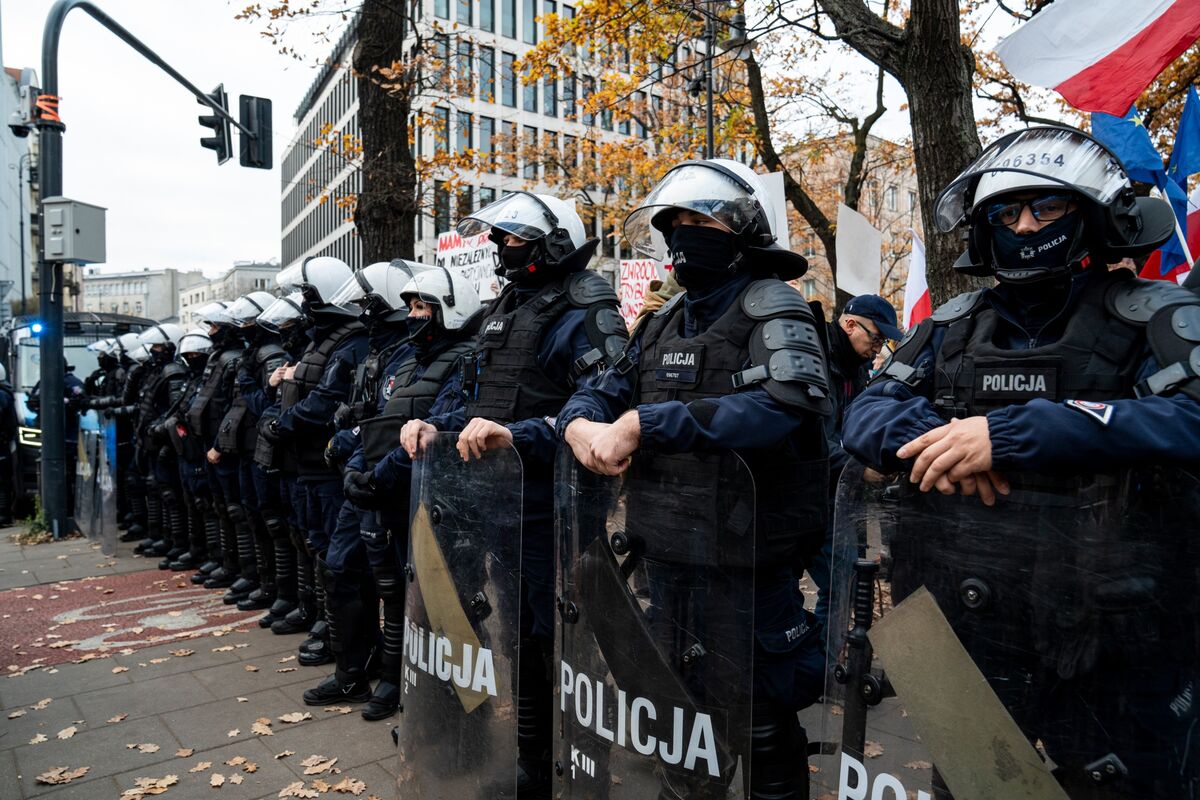
A year before Poland’s elections, Prime Minister Donald Tusk is making tough political calls to assert his authority and attract voters’ attention. The article says the power feud is rattling investors but gives no details on specific decisions or market effects.
Analysis
The investable signal is a possible increase in Poland’s policy-risk premium, not evidence of a changed earnings outlook: the available report does not identify the dispute’s participants, policy stakes, or affected assets. If the conflict reaches energy regulation, state-controlled companies, or investment approvals, investors may demand more compensation for Polish utility exposure and defer commitments until rules are clearer. That could spill into the zloty and Polish risk assets, but a broad selloff would be hard to justify from this signal alone.
Near term, headline-driven volatility is the main risk. Over the next 1–3 months, watch for concrete proposals, vetoes, or personnel changes that clarify whether the dispute affects tariffs, subsidies, ownership, or permitting. Over 6–18 months, the key issue is whether political turnover makes energy policy less predictable and raises financing costs or delays capital deployment. The contrarian point: election-year brinkmanship can be signaling rather than a durable policy shift; without measurable changes to regulation or company guidance, pricing a lasting deterioration would be premature. The thesis weakens if the parties reach a workable agreement and relevant policy and investment plans remain unchanged.
AllMind Terminal
AI-powered research, real-time alerts, and portfolio analytics for institutional investors.
Request TrialMarket Sentiment
Overall Sentiment
mildly negative
Sentiment Score
-0.20
Key Decisions for Investors
- Do not initiate a directional Poland utility or country-risk position on this limited information. First verify which institutions and energy policies are involved and whether listed-company guidance or project approvals are affected.
- For existing Polish exposure, review concentration in regulated utilities and consider a temporary reduction or hedge only if the dispute produces a specific policy threat; avoid treating one political confrontation as evidence of broad deterioration.
- Set an event watch for formal proposals, vetoes, regulatory decisions, and company guidance over the next 1–3 months. Escalate the risk assessment if these alter tariff-setting, subsidies, ownership, or permitting.
- Use stabilization in policy signals and unchanged investment plans as thesis-falsifiers; absent concrete economic effects, treat any sentiment-led weakness as potentially reversible rather than a structural short.
More News
- Further turmoil could be in store for tech stocks. What to watch in the week ahead
- Tech stock rout, driven by US AI fears, continues in Asian trading
- Asian Markets Tally Losses From Worsening Global Rout
- AI’s Grip on Financial Markets Was Never Clearer on the Way Down
- AI stocks hammered by midterm shock as data center buildout becomes a 'war of attrition'
- 10-year Treasury yield surges after much stronger-than-expected October jobs report