
aosu Showcases New Doorbell Technology, SolarCam T2 and Local AI at IFA 2026
Source: PRWeb
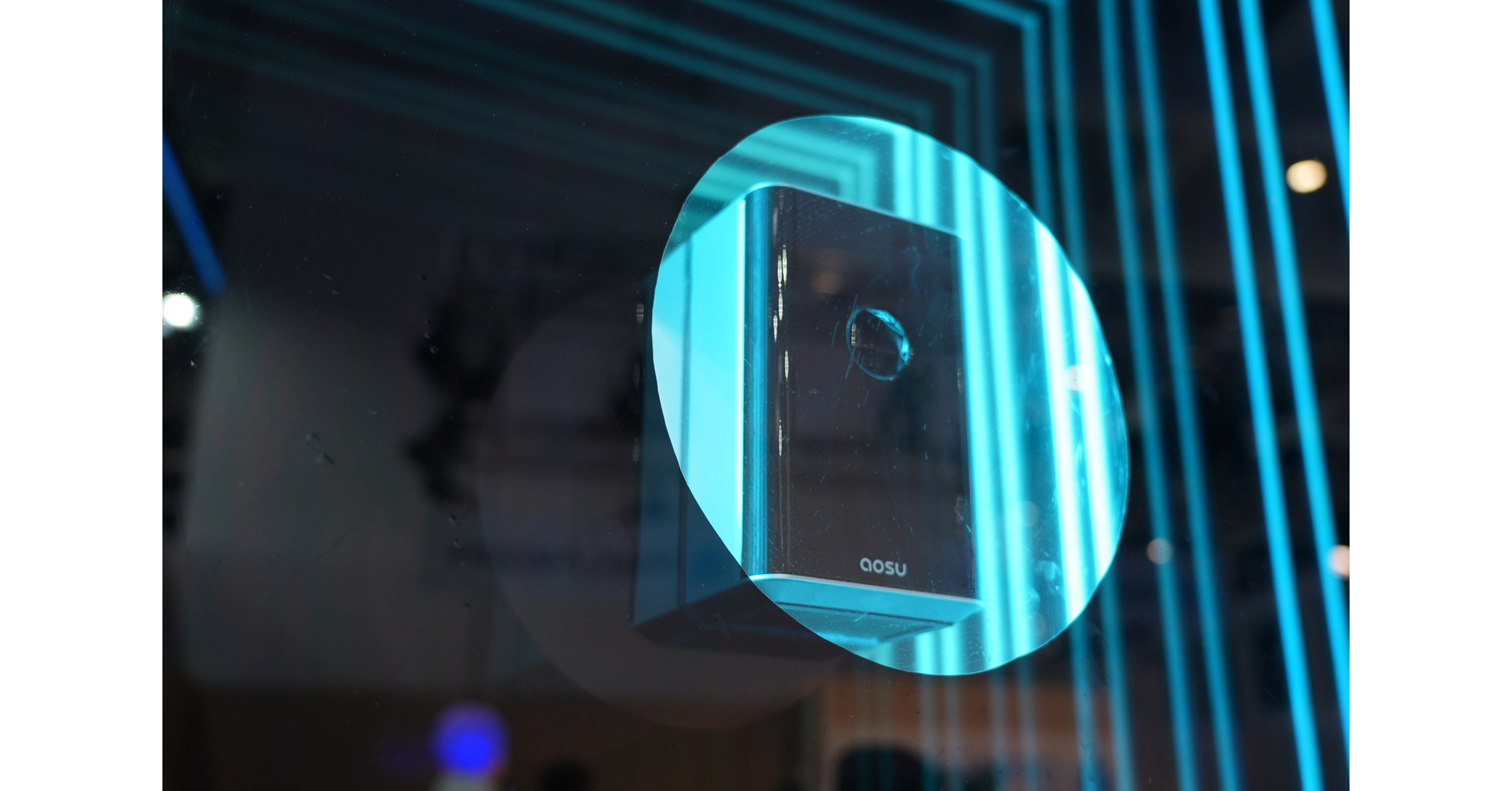
aosu unveiled its Video Doorbell Ultra, targeted for late-2026 launch at about $199, alongside the SolarCam T2 and a live aosuCortex Ultra local-AI demonstration at IFA 2026. The products emphasize 3K imaging, wide-angle and long-range coverage, faster event capture, and AI-based detection and footage search. Cortex Ultra is still early-stage but is planned to support 24/7 recording and up to 24 devices, versus eight for the current Cortex system.
Analysis
This is strategically supportive of QCOM's edge-AI narrative but immaterial to FY27 earnings: a single emerging-device OEM demonstration does not change handset, automotive, or IoT revenue estimates. The relevant read-through is design-win validation for Dragonwing-class processing in vision workloads that require low latency and avoid recurring cloud-compute costs. If local inference becomes a purchasing requirement rather than a premium feature, QCOM can gain content per home-security hub while cloud-first ecosystems face higher privacy scrutiny and inference-cost pressure.
The more meaningful competitive pressure is on ARLO and cloud-led offerings from AMZN's Ring and GOOGL's Nest. Local search, event classification, and always-on monitoring can reduce the willingness to pay monthly subscriptions, shifting value from recurring software revenue toward higher-spec hardware and silicon; that is favorable for component vendors but potentially dilutive to camera OEM gross margins unless consumers accept higher upfront prices. The claimed AI safety functions should be discounted until false-positive rates, liability controls, and regulatory treatment of biometric recognition are independently established.
Over the next 1-3 months, monitor whether QCOM identifies additional named edge-vision OEMs, reference designs, or Dragonwing revenue contribution at its next earnings call; absent that, this is not a standalone QCOM catalyst. Over 6-18 months, broad adoption of multi-camera hubs could modestly expand QCOM's industrial/consumer IoT TAM, but low-cost Chinese OEM pricing and NVIDIA/AMB A edge-vision alternatives constrain take rates. A contrarian risk is that consumers prioritize low device price and cloud convenience, leaving local AI as a trade-show feature rather than a monetizable upgrade cycle.
AllMind Terminal
AI-powered research, real-time alerts, and portfolio analytics for institutional investors.
Request TrialMarket Sentiment
Overall Sentiment
mildly positive
Sentiment Score
0.32
Ticker Sentiment
Key Decisions for Investors
- No directional QCOM position on this release alone; maintain an alert for quantified Dragonwing pipeline, named production wins, or IoT segment guidance revision. Treat a material uplift in management's IoT revenue outlook as confirmation rather than the demonstration itself.
- Watch ARLO for evidence that subscription attach rate, paid-user ARPU, or gross margin weakens over the next two earnings reports. A short is premature without those data, but deteriorating subscription metrics alongside aggressive local-AI hardware launches would support a 3-6 month short thesis.
- For edge-AI exposure, prefer a basket approach rather than adding QCOM specifically: long QCOM versus short ARLO only after ARLO reports subscription deceleration and QCOM confirms production-scale home/vision designs. Target a 10-15% relative move over 6-12 months; exit if ARLO paid-user growth reaccelerates or QCOM's IoT guidance remains flat.
- Monitor AMBA as a higher-beta read-through on embedded vision demand. Do not chase on product-showcase news; consider only if multiple OEM launches demonstrate production deployments, because QCOM's integrated connectivity advantage may cap AMBA's share gains.
More News
- iPhone 18 Pro Max can’t call or text on AT&T? Apple will replace it for free
- iPhone 18 Pro Max stuck in SOS mode? Try AT&T’s urgent fix ASAP
- Anthropic warns government attitudes may hurt customer ties, IPO prospectus shows: Reuters
- Broadcom, Amazon Test Limits of Investor Demand for AI Buildout
- Stocks remain under the thrall of higher yields and higher oil. Here's what's ahead
- FAA says Boeing 737 Max software glitch not a flight-safety issue