
Saudi Arabia may be just days away from not being able to export much oil
Source: marketwatch.com
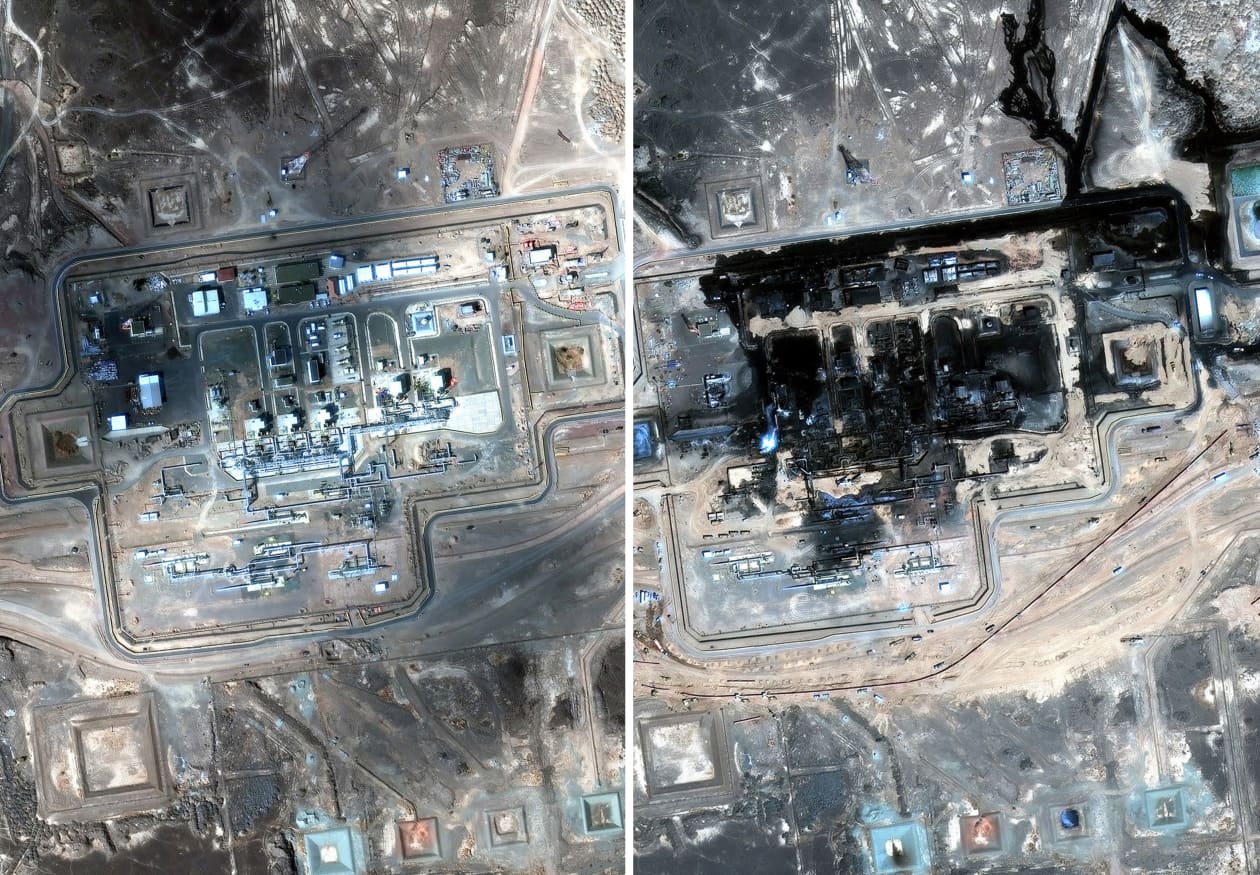
Saudi Arabia has shut its East-West pipeline, a key alternative route to the Strait of Hormuz, and could be days away from being unable to export significant crude volumes. With Hormuz already severely curtailed by the U.S.-Israel war with Iran and no repair timetable disclosed, the disruption threatens to tighten global oil supply ahead of the northern hemisphere winter and harvest season, putting further upward pressure on energy prices.
Analysis
The market impact will be driven less by headline barrels than by the loss of reliable spare-export capacity: a disruption to Saudi loadings would remove the principal buffer that normally caps geopolitical oil spikes. Near-term pricing should favor prompt Dubai and Brent barrels, diesel cracks, and tanker freight over broad energy equities; refiners dependent on medium/heavy sour crude face feedstock dislocation even if benchmark crude rises. Independently verify via Kpler/Vortexa loadings, Red Sea/Suez transit data, and Saudi official selling-price changes before treating the outage as sustained.
US E&Ps should outperform integrated majors over the next 1-3 months if crude stays elevated, while airlines, chemicals and transport face a lagged fuel-cost squeeze. The less obvious loser is Asian refining: higher delivered crude and freight costs can compress margins before retail fuel prices reset, particularly for Korean and Indian refiners. Conversely, US Gulf Coast refiners with advantaged domestic crude access may see stronger product realizations, although a broad crude spike can eventually overwhelm crack spreads.
Consensus may overpay for a permanent supply-loss narrative in the first days. Saudi inventories, alternative routing, emergency diplomacy, and demand destruction can reverse the prompt spike quickly; the decisive signal is whether physical differentials and front-month backwardation remain tight after 2-3 weeks, not merely a higher flat price. A normalization of loadings or a material de-escalation in maritime security would compress oil volatility fastest and punish outright long futures.
The 6-18 month implication is a higher geopolitical risk premium and renewed capital-discipline premium for low-leverage E&Ps, but only if disruption persists long enough to alter 2027 supply expectations. Do not extrapolate a spot shock into structural earnings upgrades until producer guidance, service-cost inflation, and hedge books are known.
AllMind Terminal
AI-powered research, real-time alerts, and portfolio analytics for institutional investors.
Request TrialMarket Sentiment
Overall Sentiment
strongly negative
Sentiment Score
-0.72
Key Decisions for Investors
- Initiate a 1-3 month long XOP / short JETS pair, sized modestly: upstream operating leverage should capture a sustained crude move while airline fuel hedges typically delay, rather than eliminate, margin pressure. Use a 10-15 trading-day reassessment; exit if verified Saudi export loadings normalize or Brent/Dubai prompt spreads materially loosen.
- Prefer defined-risk upside in oil through 2-3 month USO or BNO call spreads rather than unhedged futures after the initial gap. Structure strikes around a further 10-15% crude rise from entry; maximum loss is premium, while the principal risk is rapid geopolitical de-escalation and volatility collapse.
- Watch long VLO or MPC versus short XLE only after confirming that US gasoline/distillate cracks are widening alongside crude. This is an alert, not an immediate trade: the required data are Gulf Coast crack spreads, crude differentials, and refinery utilization; a broad crude spike with narrowing cracks falsifies the thesis.
- Avoid adding to broad airline, chemical, and freight shorts solely on the headline. Enter only if forward jet-fuel/diesel curves remain elevated for two weeks and companies lack visible hedging coverage; a short-lived spot spike is unlikely to meaningfully impair near-term reported earnings.
More News
- Latest Oil Market News and Analysis for Sept. 23
- Oil extends losses as Trump signals progress in U.S.-Iran talks
- Iran flights to Baghdad, Muscat cancelled ahead of US aviation sanctions
- ‘I have a big decision to make’: Trump had a ‘good meeting’ with Iranian officials warning he may ‘annihilate the Islamic Republic’
- Trump Says US Team Met With Iranians at UNGA
- Bank of America says Brent crude oil could top $150 a barrel if Iran war disruptions persist