
Huawei presenta sei progetti di riferimento nel settore elettrico mondiale e promuove un nuovo sistema energetico attraverso l'integrazione tra IA ed energia
Source: PR Newswire
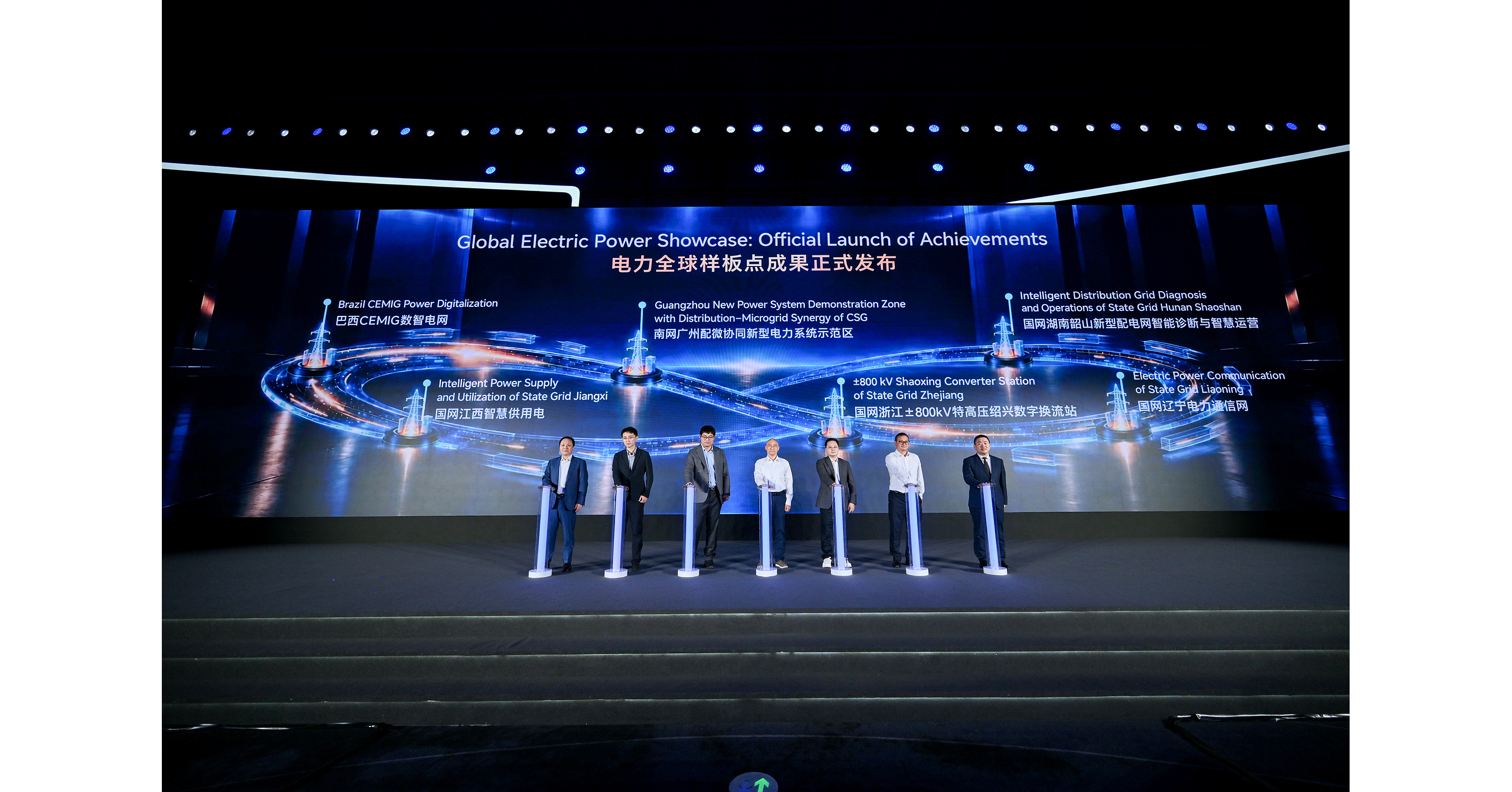
Huawei presented six global power-sector reference projects at its Global Electric Power Summit 2026, spanning digital grids, low-voltage distribution, microgrids, intelligent operations and a ±800 kV UHVDC converter station. The company is promoting AI integration across the electricity value chain to support renewable generation, grid resilience and digital modernization, while addressing the lack of electricity access for roughly 700 million people globally. The announcement is strategically positive for Huawei's energy-digitalization positioning, but it does not disclose financial commitments, contracts, revenue, or measurable project returns.
Analysis
This is not a near-term revenue signal for listed equipment vendors; it is a directional validation that distribution-grid digitization is becoming a prerequisite for renewable interconnection, DER management and AI-driven load growth. The investable bottleneck is field-level sensing, protection, communications and control—not hyperscaler compute—favoring Eaton (ETN), Schneider Electric (SU), ABB (ABBNY) and Itron (ITRI) where utilities convert pilots into regulated capital programs. The key earnings transmission is 6-18 months: utility approval of digital assets into rate base can create recurring hardware, software and service revenue rather than one-off automation sales.
CEMIG's participation makes Brazil a watchable test case for emerging-market grid modernization. If its deployment translates into lower technical losses, outage reduction or accelerated distributed-generation connections, CEMIG (CIG) could earn a higher allowed asset base and improve operating cash flow; conversely, Brazilian tariff politics may prevent operational savings from accruing to equity holders. For global vendors, emerging-market deployments carry FX, procurement and local-content risk, meaning announced reference projects should not be extrapolated into backlog until contract value, scope and funding are disclosed.
The consensus risk is that "AI and power" is treated as a generic data-center trade. Distribution automation is instead a slower, regulation-constrained capex cycle, and utilities may prioritize transformers, substations and transmission before software-heavy low-voltage upgrades. Huawei's role also creates a second-order opportunity for Western suppliers in jurisdictions where cybersecurity, telecom-security or procurement rules limit Chinese grid technology; that substitution benefit is most relevant to ETN, ITRI, SU and ABBNY, but only after formal tender restrictions rather than conference announcements.
Near-term, no standalone trade is warranted from a vendor-sponsored release. The actionable catalyst path is utility capex-plan season and evidence that digital-control spending is recognized in regulated asset bases; a broad rise in grid-equipment order books without corresponding margin expansion would indicate competitive pricing rather than a durable profit pool.
AllMind Terminal
AI-powered research, real-time alerts, and portfolio analytics for institutional investors.
Request TrialMarket Sentiment
Overall Sentiment
moderately positive
Sentiment Score
0.42
Key Decisions for Investors
- Maintain a 6-18 month watchlist overweight bias toward ETN and SU versus broad industrials (XLI), but enter only after the next quarterly results show grid/electrification organic growth above 8% with stable or expanding segment margins; falsify on two consecutive quarters of order deceleration or margin compression.
- Monitor ITRI for a higher-beta distribution-grid automation entry: initiate only if bookings or backlog disclose large utility AMI/grid-edge awards and recurring software revenue growth exceeds hardware growth. Use a 12-month horizon; avoid treating pilot announcements as revenue until contract value and delivery timing are confirmed.
- Track CIG as an event-driven utility watch item rather than a core long. A position is justified only if Brazil's regulator permits measurable digital-grid investment into rate base and management quantifies loss/outage savings; tariff intervention, BRL weakness, or unrecovered capex would invalidate the thesis.
- For a geopolitical substitution catalyst, screen ETN, ABBNY, SU and ITRI after formal restrictions on Chinese grid communications or control equipment in North America, Europe or allied markets. Do not pre-position solely on Huawei visibility; procurement rules and funded tenders are the required confirmation.
More News
- Saudi, Turkish, Pakistani chiefs plan urgent talks amid Yemen fighting
- Trump Versus Xi: How Their High-Stakes Summits Compare
- SEBI Allows Portfolio Managers to Invest Overseas, Short Equity Options
- Trump, Xi Address AI, Taiwan During State Visit
- Oracle Japan shares surge 7% after record fiscal first quarter, bucking selloff of U.S. parent
- China's Xi urges U.S. to cooperate on AI