
From diagnosis to treatment, ZEISS introduces innovations across ZEISS Retina Workflow at EURETINA 2026
Source: PR Newswire
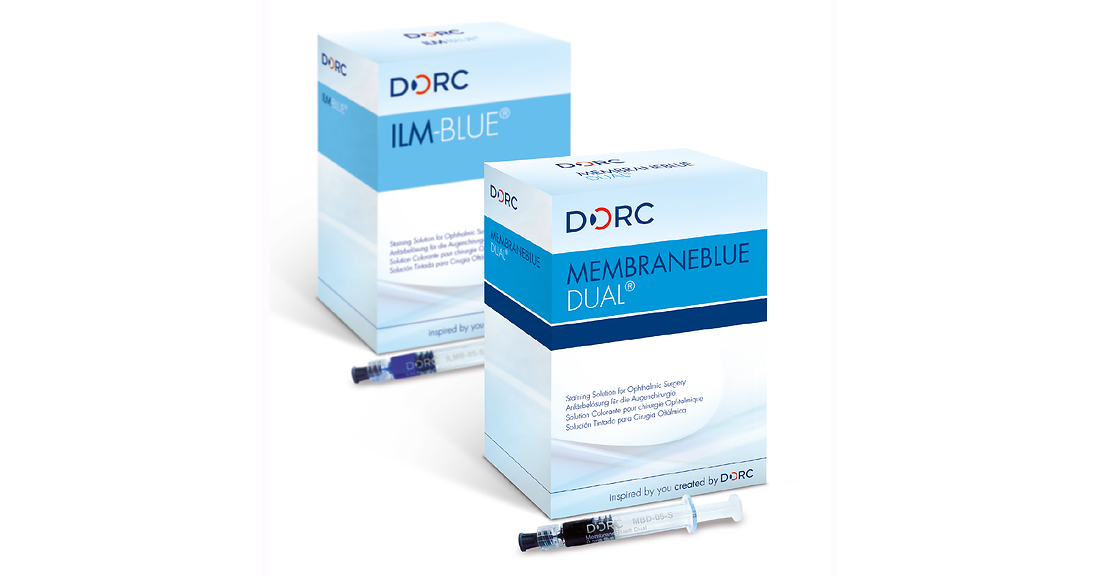
Carl Zeiss Meditec expanded its retina-care portfolio with the ALTA DUO 300 combined OCT/fundus imaging device, a new HMDmd CR3 visualization option for ARTEVO 850, and wider availability of the 27G DORC TDC VELOCE cutter. ZEISS said the VELOCE cutter can reduce core vitrectomy time by up to 41%, while cumulative sales of DORC surgical dyes exceeded 3 million and DORC EVA/EVA NEXUS installations surpassed 3,000 globally. The company also completed the transition of the DORC brand under ZEISS, consolidating its ophthalmology offering under one brand.
Analysis
This is strategically positive for AFX’s ophthalmology mix because an integrated imaging-to-surgery workflow raises switching costs and creates a larger installed-base annuity pool through consumables, service, software and upgrades. The key economic question is not initial equipment placement but whether bundled selling improves attachment rates for surgical dyes, cutters and recurring service contracts; if it does, the acquired DORC franchise can migrate from a stand-alone revenue contributor into a margin-accretive pull-through engine. The unified brand also removes channel friction, but near-term distributor and contracting disruption could offset some of the commercial benefit.
The market should not capitalize promotional clinical claims into estimates without evidence of order conversion, ASPs and gross-margin progression. Capital equipment budgets remain sensitive to hospital utilization, interest rates and reimbursement, while lower-priced OCT and fundus competitors—Topcon, Heidelberg Engineering and Nidek—can respond with bundling or pricing. AFX’s differentiation is strongest where a practice values interoperability across diagnosis and posterior-segment surgery; it is weaker in single-modality replacement cycles, where procurement tends to be price-led.
Over the next 1-3 months, EURETINA customer feedback and any disclosed launch geography are sentiment catalysts, but material P&L impact is more likely 6-18 months out given capital-equipment tender cycles and regulatory sequencing. Watch order intake, ophthalmology EBITA margin, DORC consumable growth and management commentary on cross-sell penetration. The thesis is falsified if new placements require discounting, consumables fail to outgrow the equipment base, or ophthalmology margins do not improve despite integration completion.
AllMind Terminal
AI-powered research, real-time alerts, and portfolio analytics for institutional investors.
Request TrialMarket Sentiment
Overall Sentiment
mildly positive
Sentiment Score
0.38
Ticker Sentiment
Key Decisions for Investors
- Maintain AFX as a watch-list long rather than add on this release alone; initiate only after the next results demonstrate improving order intake and stable-to-higher ophthalmology margin. Target a 6-18 month position predicated on recurring consumables/service growing faster than capital equipment; exit if management signals launch discounting or cuts segment guidance.
- For existing AFX longs, use EURETINA and the subsequent earnings call to seek three confirmation points: disclosed ALTA DUO orders, DORC-to-ZEISS cross-sell metrics, and no deterioration in equipment gross margin. Absent at least two, reduce event-driven exposure because this is primarily product-marketing news.
- Consider a relative-value long AFX versus ZEISS’s more imaging-exposed listed peer proxy Topcon (7732 JP) only if AFX demonstrates consumables attachment and integration synergies; the pair isolates a workflow/recurring-revenue re-rating from broad ophthalmic-capex demand. Main risk is a hospital-capex slowdown, which would favor neither leg and can compress AFX’s multiple.
- Set an alert for reimbursement or regulatory delays in major launch markets and for a sequential decline in ophthalmology orders; either would push the revenue contribution beyond the current 6-18 month underwriting window and weaken the integration-led margin case.
More News
- Japan approval, a 27% surge: the diagnostics stock our models picked in September
- Trump Versus Xi: How Their High-Stakes Summits Compare
- Trump, Xi Address AI, Taiwan During State Visit
- China's Xi urges U.S. to cooperate on AI
- Oracle Japan shares surge 7% after record fiscal first quarter, bucking selloff of U.S. parent
- Trump Hosts China’s Xi With Trade, AI, Taiwan in Focus