
Iniciativas de bienestar público de State Grid para la conservación de la biodiversidad
Source: PR Newswire
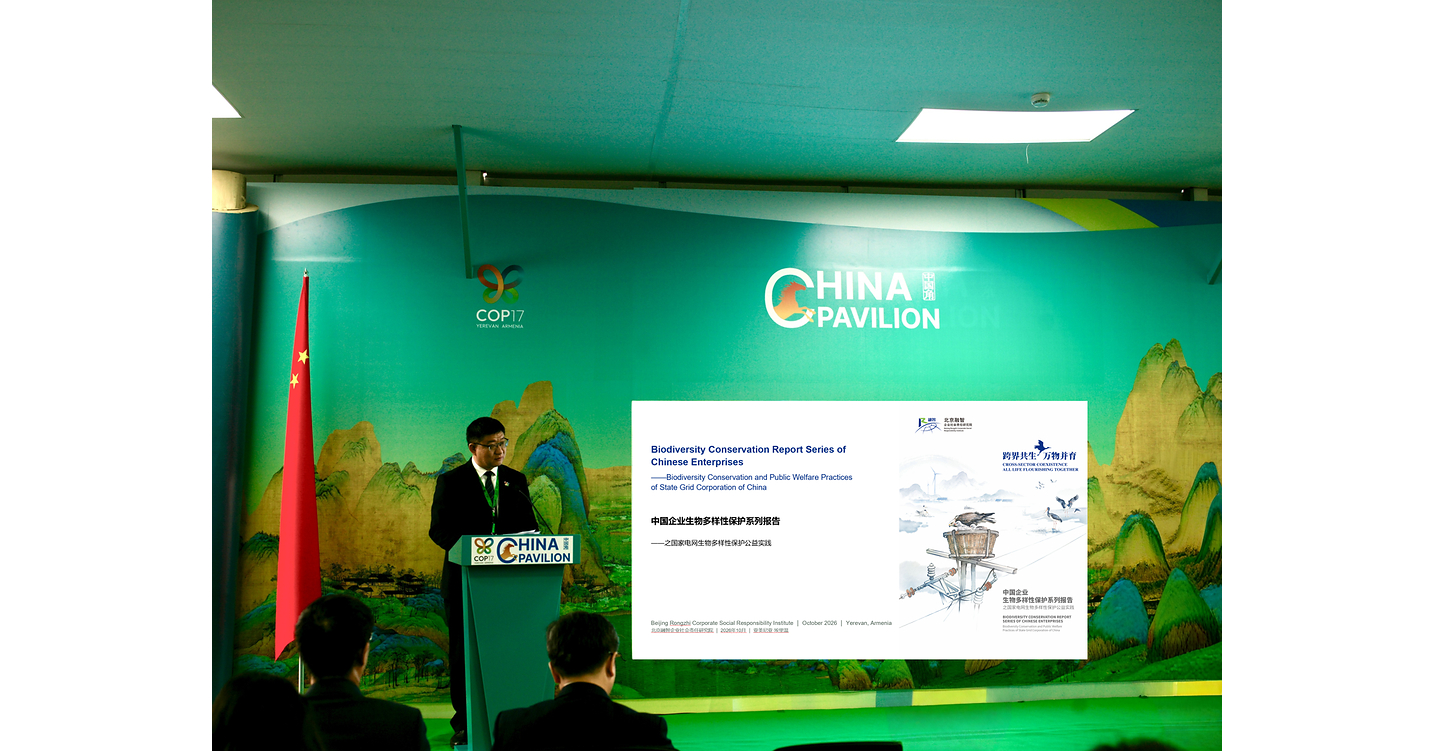
State Grid presentó en la COP17 tres programas de conservación de la biodiversidad: la Red de Guardianes de las Aves, que ha rescatado y protegido más de 16.000 aves en 24 provincias; Nidos de Vida, desplegado en seis regiones de nivel provincial; y el Arca de Energía Verde, que suministra electricidad sin emisiones de carbono a 17 áreas protegidas en nueve provincias. Un informe sobre Shanghái describe la integración de criterios de biodiversidad en toda la cadena de valor eléctrica. La noticia destaca iniciativas corporativas y no informa de resultados financieros ni de una reacción del mercado.
Analysis
This is primarily a reputational disclosure, not evidence of a near-term change in State Grid’s earnings, capital intensity, or procurement. The economic mechanism to watch is whether biodiversity safeguards become enforceable requirements in Chinese grid planning and construction: earlier screening and mitigation could add project costs or slow permitting, while reducing opposition, remediation, and operating disruption over time. Those effects are conditional; the release provides no audited cost, avoided-loss, or project-level data.
The potential second-order beneficiaries are providers of environmental assessment, monitoring, grid digitalization, and remote microgrid/storage systems if these practices are embedded in tenders rather than remaining voluntary pilots. Conversely, contractors facing tighter siting or construction standards could incur compliance costs. The article does not establish material exposure for any named listed supplier, so sector-wide extrapolation is premature.
Near term, COP17 visibility may support ESG optics but is unlikely to justify a valuation change on its own. Over 1–3 months, look for procurement rules, quantified implementation budgets, and independently verifiable reporting. Over 6–18 months, the key question is whether biodiversity screening becomes a repeatable design and operating standard across grid investment. The contrarian point: investors may overvalue the favorable narrative while underestimating that formal standards, if adopted, can raise upfront costs even as they lower long-run environmental and permitting risk. No direct trade is supported by this release alone.
AllMind Terminal
AI-powered research, real-time alerts, and portfolio analytics for institutional investors.
Request TrialMarket Sentiment
Overall Sentiment
mildly positive
Sentiment Score
0.25
Key Decisions for Investors
- No trade on the announcement alone: State Grid has no supplied ticker mapping, and the release does not quantify financial impact or establish a listed-company read-through.
- Set an alert for binding grid-project biodiversity requirements, tender language, or quantified budgets in China; these would make environmental engineering, monitoring, and microgrid/storage suppliers worth screening for order exposure.
- For any later supplier thesis, verify contract awards and revenue contribution rather than relying on thematic association. Falsify the positive read-through if initiatives remain voluntary or procurement disclosures show no repeatable deployment.
- Reassess over the next 6–18 months if implementation data indicate either material added project costs/delays or measurable reductions in permitting, remediation, or operating disruption.
More News
- ‘Whenever I want it to end’: U.S. tells Middle East allies to prepare for possible new strikes on Iran after the midterms
- Spanish PM, facing reelection, says it’s ‘unacceptable’ to suffer two high-speed rail accidents in one year as at least 68 die in collision
- AI’s insatiable appetite for chips helps Samsung rake in a record $80.5 billion in quarterly profit
- Marvell Is Taking an Audacious $80+ Billion Run at Lumentum
- Linde delivers a good quarter and puts in a fix for an overhang on the stock
- Gen Z’s obsession with secondhand clothes is paying off for eBay as its fashion sales with Depop hit $9 billion over the past year