
Huawei dévoile six projets énergétiques mondiaux, ouvrant la voie à un nouveau système énergétique fondé sur la synergie entre l'IA et l'énergie
Source: PR Newswire
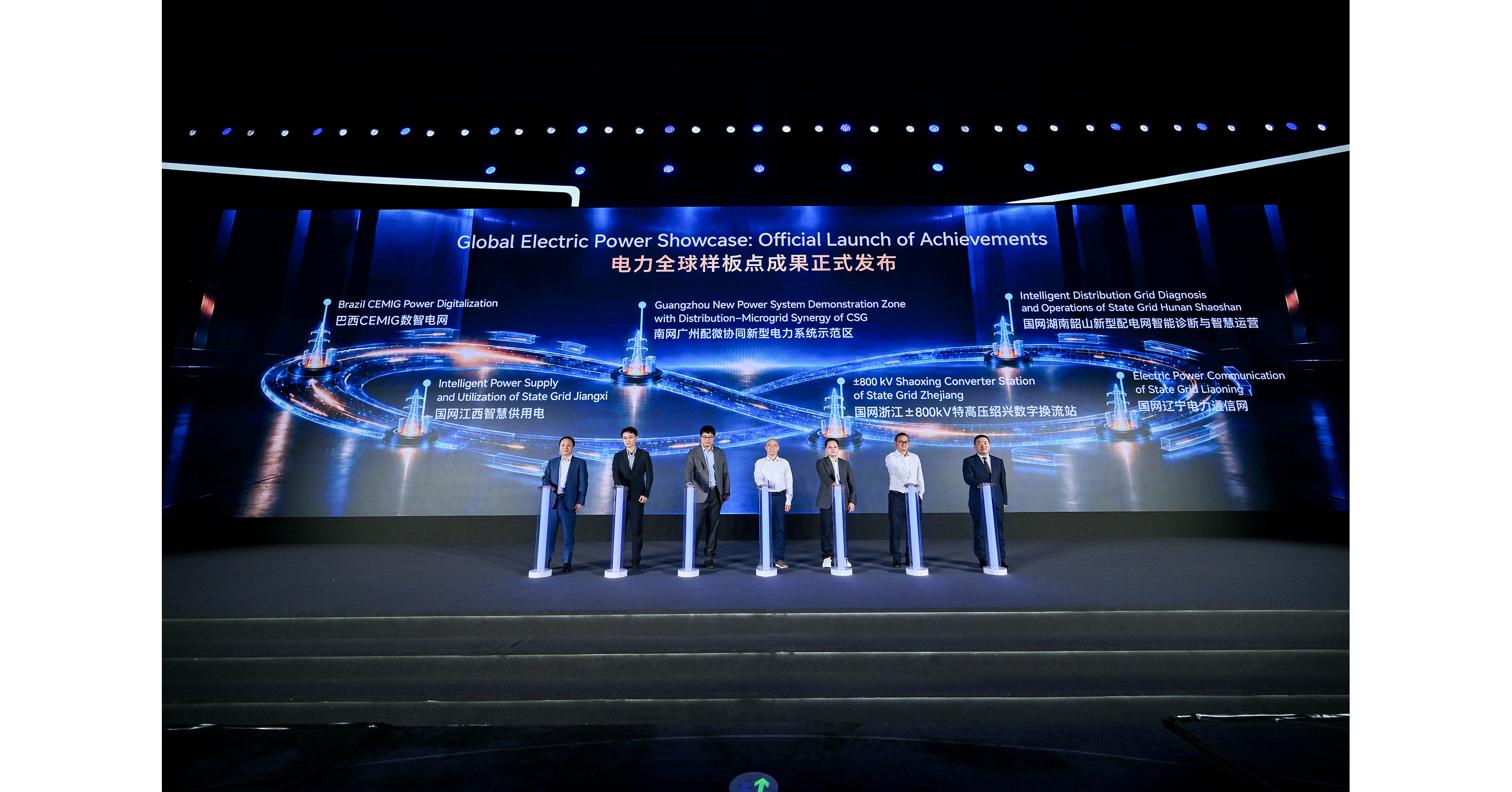
Huawei unveiled six global energy digitalization projects at HUAWEI CONNECT 2026, spanning Brazil and five Chinese grid, distribution, transmission and communications use cases. The company is positioning AI-enabled low-voltage-grid management and digital infrastructure as core components of future power systems amid renewable-energy growth, AI data-center demand and the estimated 700 million people still lacking electricity access. The announcement signals Huawei's continued push into utility-sector digitalization, but provides no financial commitments, contract values or near-term earnings implications.
Analysis
This is strategically relevant but not yet investable: the announcement provides no contract values, implementation schedule, recurring-software economics, or independently verified operating outcomes. The near-term read-through is therefore limited for listed grid-equipment names; capital markets should not assign incremental revenue until procurement awards, utility capex budgets, or measurable loss-reduction data emerge. Huawei’s private status also makes it a competitive signal rather than a direct equity expression.
Over 6-18 months, AI-enabled low-voltage grid management is more likely to shift value toward suppliers with installed bases, utility-certified hardware, and cybersecurity credentials than toward generic AI infrastructure. Schneider Electric (SU.PA), ABB (ABBN.SW), Siemens Energy (ENR.DE), Eaton (ETN), and GE Vernova (GEV) can monetize through protection equipment, distribution automation, grid software, and retrofit services; the highest-margin opportunity is recurring asset-management software layered onto existing equipment. Huawei’s expansion may pressure pricing and win rates in emerging markets, particularly Latin America, Africa, and parts of Asia, while simultaneously accelerating utilities’ digitalization spending and enlarging the addressable market for Western vendors in regulated markets.
The contrarian view is that grid bottlenecks are principally permitting, transformer availability, skilled-labor constraints, and regulated-return frameworks—not a lack of AI. Software can improve utilization and outage response, but it cannot rapidly create physical capacity. A meaningful rerating requires evidence that digital controls defer substation or feeder capex, reduce losses, or improve allowed-return asset bases; absent that evidence, this remains narrative support rather than an earnings catalyst.
Near-term catalysts are utility tender announcements and 2027 capex guidance from CEMIG (CMIG4.SA) and other emerging-market utilities. Falsify the constructive equipment thesis if order intake at SU.PA, ABBN.SW, ETN, or GEV decelerates despite elevated grid capex, or if Chinese vendors win materially below incumbent pricing in export tenders; that would imply market-share loss rather than TAM expansion.
AllMind Terminal
AI-powered research, real-time alerts, and portfolio analytics for institutional investors.
Request TrialMarket Sentiment
Overall Sentiment
mildly positive
Sentiment Score
0.35
Key Decisions for Investors
- No immediate directional trade on the announcement; place a 1-3 month alert for disclosed utility contracts, project economics, and procurement awards. Treat any equity move based solely on this release as low-conviction.
- Maintain a 6-18 month overweight bias toward ETN and SU.PA versus broad industrials (XLI): both have stronger exposure to electrification and distribution-level upgrades, with higher service/software attachment potential. Reassess if organic electrical-sales growth falls below management guidance or order backlog conversion weakens.
- Use ABBN.SW as the more balanced European expression of grid automation demand; prefer it over ENR.DE where the thesis is distribution digitization rather than high-voltage transmission buildout. Key risk is pricing pressure in emerging-market tenders from Chinese competitors.
- Monitor CMIG4.SA as a watchlist catalyst, not a recommendation: independently disclosed reductions in technical/non-technical losses or regulatory recognition of digital-grid investments could support earnings and allowed-asset-base growth. Missing evidence on capex, returns, and implementation scope prevents a trade today.
More News
- US 30-Year Yield Hits Highest Since 2004
- Oil falls amid optimism over potential diplomatic solution to the Iran conflict
- SEBI Allows Portfolio Managers to Invest Overseas, Short Equity Options
- Trump-Xi summit: Four key takeaways from the Washington, DC, meeting
- Trump, Xi Address AI, Taiwan During State Visit
- Oracle Japan shares surge 7% after record fiscal first quarter, bucking selloff of U.S. parent