
Sewa International USA Launches Nepal Flood Relief and Missing-Person Helpdesk
Source: PR Newswire
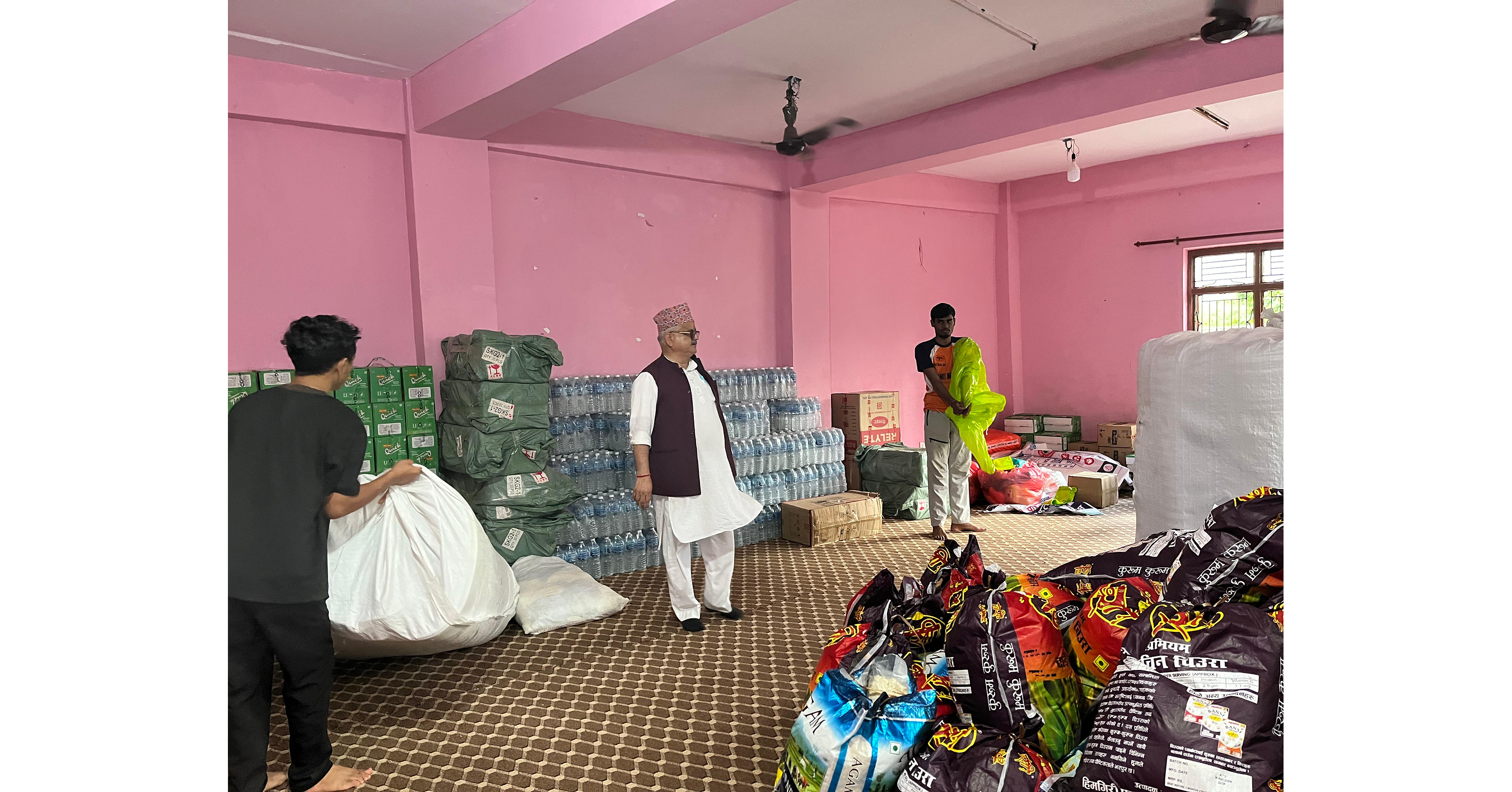
Sewa International USA pledged $100,000 for Nepal flash-flood relief and reported raising over $55,000 in the prior 24 hours. The charity says it mobilized shelter and medical supplies within 48 hours and is setting up a dedicated missing-person helpdesk after the Aug. 26 floods, with a reported death toll of 626 and at least 2,478 people missing.
Analysis
This is a human tragedy, but as a market event it is mostly a non-event unless the damage widens beyond local infrastructure. The immediate economic impact is concentrated in roads, bridges, hydropower, water systems, and communications, which means the only durable financial read-through is delayed normalization for local activity rather than a globally tradeable shock.
The second-order risk is to Nepal’s tourism/pilgrimage economy and to any cross-border supply or rescue logistics that rely on mountain transit. That matters more for regional operators, insurers, and aid contractors than for broad public markets; even there, the key question is whether disruptions persist beyond the next few weeks and force a downward revision to seasonal travel flows or rebuilding timelines.
Over 1-3 months, the market will likely treat this as a one-off disaster unless casualty counts, weather, or additional slope failures keep escalating. Over 6-18 months, the investable angle is reconstruction spending, but that is typically slow-moving, opaque, and captured by local or private entities rather than liquid U.S.-listed names. The contrarian view is that ESG/climate narratives may try to extrapolate a broader Asia disaster premium, but without a clear regional transmission mechanism that is probably overdone.
AllMind Terminal
AI-powered research, real-time alerts, and portfolio analytics for institutional investors.
Request TrialMarket Sentiment
Overall Sentiment
neutral
Sentiment Score
-0.10
Key Decisions for Investors
- No direct trade: there is no obvious listed-equity or ETF exposure with a clean, near-term P&L linkage; treat this as non-investable unless a regional spillover emerges.
- Set a 2-4 week watch item on South Asia travel, aviation, and insurance proxies only if rescue operations, border access, or pilgrimage cancellations materially expand; otherwise fade any sympathy move.
- If reconstruction funding becomes visible over 3-12 months, screen Indian construction/materials beneficiaries, but wait for actual project awards or procurement data before committing capital.
- Monitor for a broader monsoon/landslide pattern in the Himalayas; only then does the thesis shift from idiosyncratic disaster to a potential climate-risk repricing with wider sector implications.
More News
- Brian Sullivan: Why the 'real' price of oil is likely $30-$40 higher than where it is now
- Latest Oil Market News and Analysis for Oct. 16
- Suddenly, Wall Street is worried that the U.S. economy is more ‘vulnerable’ than it looks
- Ukraine to resume strikes on Russian refineries, shattering hopes of an 'energy ceasefire'
- AI Selloff Deepens in Asia as Funding Fears Mount
- How the Houthis are helping Iran turn Saudi Arabia into a pressure point