
Solstar Space Demonstrates Space-to-Space Connectivity During NASA Proximity Operations Technology Demonstration Mission Relaying Data to Earth via Iridium Network
Source: PRWeb
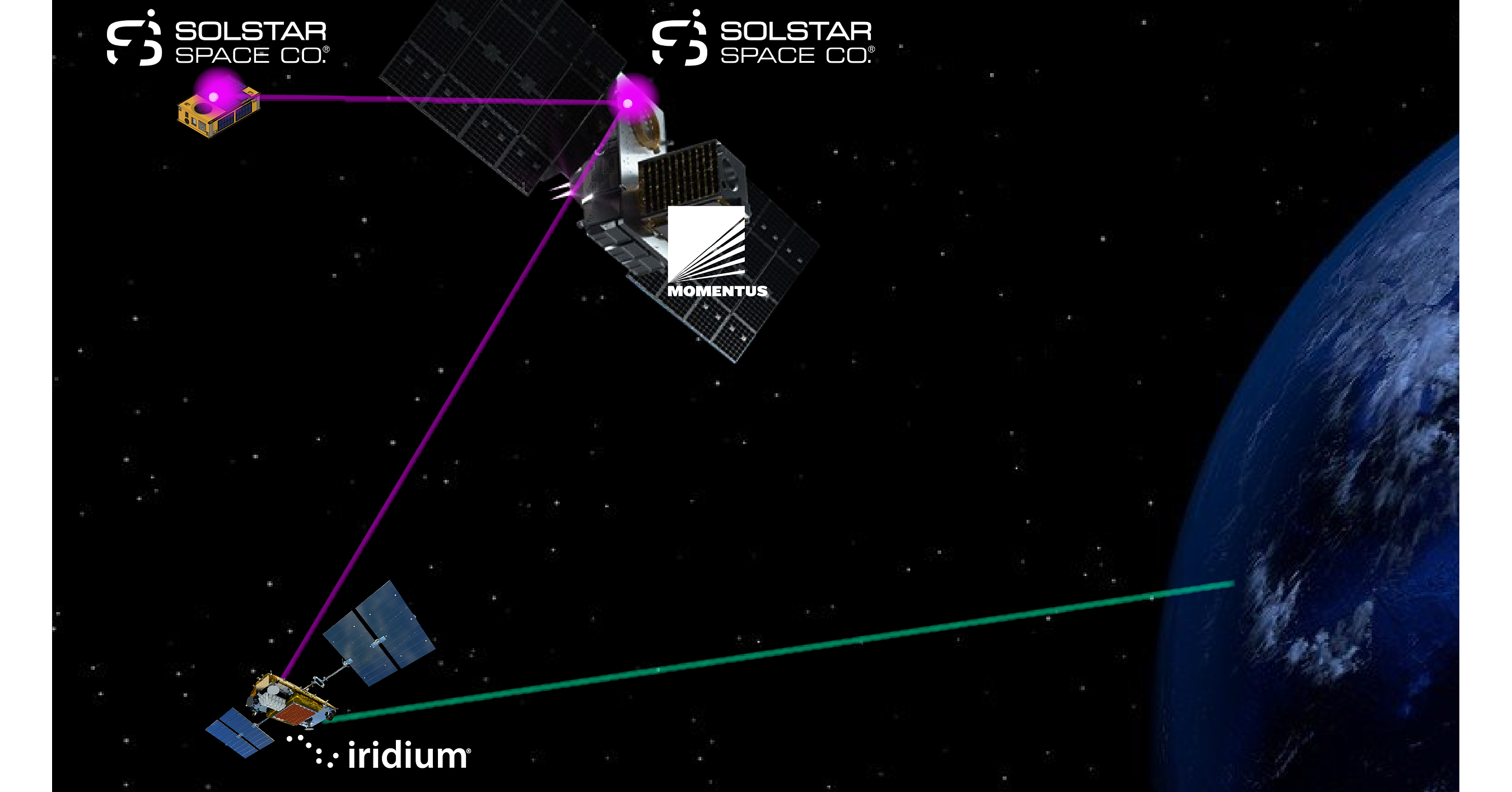
Solstar demonstrated its Deke Space Communicator during NASA’s roughly 30-minute R5-S10 proximity operation with Momentus’ Vigoride-7, collecting more than 2,300 files and relaying a subset of spacecraft imagery, telemetry and health-status data to NASA Johnson through an experimental Iridium link. The test advances Solstar’s technology from development to demonstrated on-orbit capability and may support future inspection, servicing and assembly missions; the release gives no financial results or stock reaction.
Analysis
The commercial signal is architectural validation, not yet monetization: a space-to-space link plus relay to Earth could make inspection and servicing missions more operationally useful, but the release does not establish recurring customer demand, pricing, or unit economics. NASA-funded demonstration work should not be extrapolated into agency procurement.
For IRDM, the upside is an incremental use case for its network and partner ecosystem; an experimental relay alone is unlikely to alter near-term revenue expectations. The useful follow-through is whether this becomes repeatable paid traffic or a productized service, rather than a one-off technical integration. For MNTS, the demonstration adds capability credibility to Vigoride, but does not establish that communications materially improve vehicle utilization or contracted economics. Solstar is not publicly identified in the supplied ticker mapping, so there is no direct listed exposure here.
Over 1–3 months, watch for named follow-on missions, commercial contracts, and clarification of who pays for connectivity. Over 6–18 months, broader adoption could benefit operators able to bundle transport, servicing, and communications; it could also increase customer expectations for interoperable, near-real-time data links. Key risks are poor reliability outside the test conditions, alternative communications architectures, and a gap between successful demonstrations and funded deployments.
Contrarian read: the release’s file count and mission success can attract attention, but neither is a proxy for billable data volume or recurring revenue. Treat the news as a small strategic positive, not a fundamental re-rating catalyst absent commercial conversion.
AllMind Terminal
AI-powered research, real-time alerts, and portfolio analytics for institutional investors.
Request TrialMarket Sentiment
Overall Sentiment
moderately positive
Sentiment Score
0.45
Ticker Sentiment
Key Decisions for Investors
- Do not chase MNTS on the demonstration alone. Reassess only with evidence of follow-on customer contracts, vehicle utilization, or disclosed economics; the thesis weakens if subsequent missions do not convert into funded work.
- Keep IRDM at watch/hold rather than adding on this announcement. A stronger catalyst would be repeat commercial deployments or disclosed recurring connectivity revenue; absent that, the event is unlikely to change the earnings case materially.
- Set an alert for contract scope, customer identity, pricing, and recurring revenue attribution across Solstar, Momentus, and Iridium. These are the missing data needed to distinguish a technically successful test from a monetizable service.
- Falsify the strategic read if follow-on missions fail to demonstrate reliable links across operating conditions, or if customers adopt competing connectivity arrangements without using Iridium’s network.
More News
- The U.S. market has never been more focused on one single bet—but AI’s payoff will likely take decades
- Meta put out an ambitious roadmap to Muse monetization after strong quarter and guide
- Russian Drones Are Already Killing People Within EU Territory
- Cloudflare sees millions of exploit attempts after PHP disclosure
- One killed, eight injured in attack on Saudi Arabia’s King Fahd airport
- Meta ordered to pay $25 billion in case related to Cambridge Analytica scandal
From AllMind Research
- Anthropic IPO Preview: Valuation, Timing, and What to Watch
- Shein After the IPO: Venue, Valuation, and What Must Be Proved
- What AI Research Tools Should a Small Hedge Fund Buy First?
- What a Concept From Nature Tells Us About How C-Suite Executives Actually Think About AI
- How to Track Earnings Call Sentiment Across Companies