
New Electric Buses Mark First University at Buffalo Transit Vehicles to Transition to Zero Carbon Mobility
Source: PR Newswire
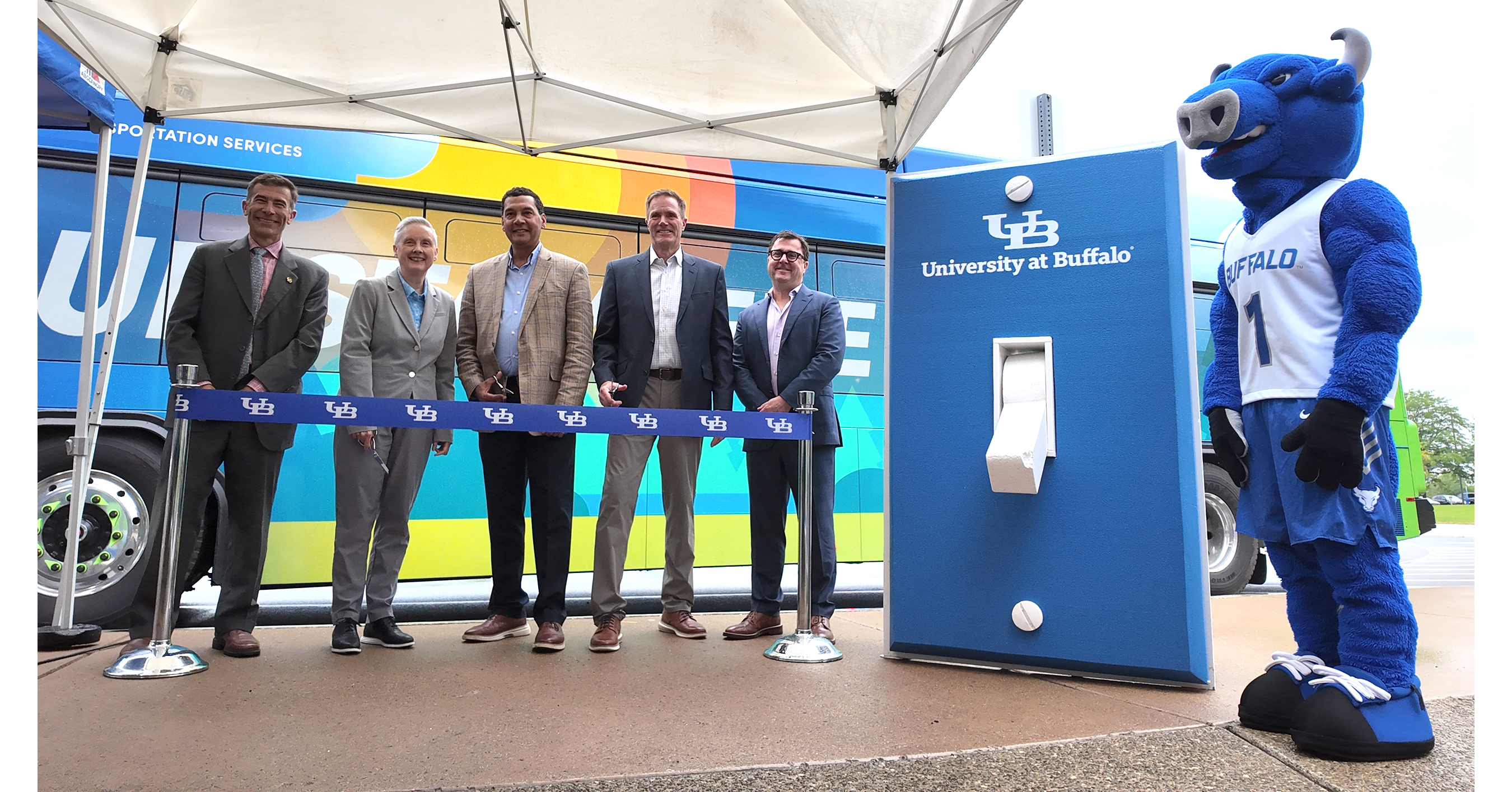
University at Buffalo, with WeDriveU and Zenobē, put eight new 40-foot battery-electric transit buses into service as the first step of a zero-emissions campus roadmap targeting full transition by 2030. The move is expected to avoid 5,984 metric tons of CO2e and cuts greenhouse-gas emissions by 55.6% versus diesel, equivalent to removing ~1,395 cars from the road. Ten chargers have been installed, with diesel buses phased out over the next four years.
Analysis
This is less a one-off sustainability headline than evidence that electrification is shifting from hardware adoption to operational outsourcing. The economically important winners are the parties that can package financing, depot charging, uptime guarantees, and maintenance into a single contract; that favors fleet operators/integrators over pure bus OEMs. For public-market read-throughs, the next beneficiaries are likely EVSE, software, and grid-interconnection vendors that get paid on recurring depot buildouts, while diesel parts, fuel distribution, and maintenance-heavy local operators lose share gradually rather than abruptly.
Near term, the market impact is mostly narrative unless this turns into a repeatable procurement template. The real catalyst is 1-3 months of follow-on awards or backlog disclosures; without that, this stays in the category of municipal/academic capex that is too small to move earnings. Over 6-18 months, the key question is whether winter uptime, charging congestion, and demand charges stay manageable; if not, campus operators will slow the pace of conversion even when the ESG optics are favorable.
The contrarian view is that investors may be overestimating the TAM and underestimating who captures the economics. A lot of these projects are financed substitution, not demand creation, so the headline can look more bullish for decarbonization than it is for listed equity cash flows. The important falsifier is not the press release itself but whether the next wave of contracts shows improving utilization, lower total cost of ownership, and no step-up in dilution or subsidy dependence. If those metrics stall, the tradeability fades quickly.
AllMind Terminal
AI-powered research, real-time alerts, and portfolio analytics for institutional investors.
Request TrialMarket Sentiment
Overall Sentiment
mildly positive
Sentiment Score
0.35
Ticker Sentiment
Key Decisions for Investors
- No immediate directional trade: the event is positive for the theme but too small to justify chasing WWRL or a broad EV-bus basket today; reassess only if there are additional wins or backlog disclosures within 1-3 months.
- Set a watchlist alert on CHPT and BLNK for depot/municipal order updates over the next quarter; if either reports sequential backlog growth with stable gross margins and no fresh equity raise, start a small starter long with a 6-12 month horizon.
- Avoid making a bullish case on NFI purely from this print; only revisit a long if order intake from electric transit fleets starts translating into higher EBIT margin and improved cash conversion in the next two quarters.
- If winter operations in Buffalo show charging downtime, range issues, or higher demand charges, fade the zero-emissions adoption narrative and expect a 3-6 month pause in follow-on procurement; that would be the point to cut any theme exposure.
More News
- Treasuries Soar as Tech Slump Threatens Growth
- Brian Sullivan: Why the 'real' price of oil is likely $30-$40 higher than where it is now
- Latest Oil Market News and Analysis for Oct. 16
- Blackstone President Jon Gray Bets Big on AI Boom
- What's behind the sell-off in AI neocloud stocks like CoreWeave and Nebius
- AI Selloff Deepens in Asia as Funding Fears Mount