
2026 World Internet Conference Wuzhen Summit Opens
Source: PR Newswire
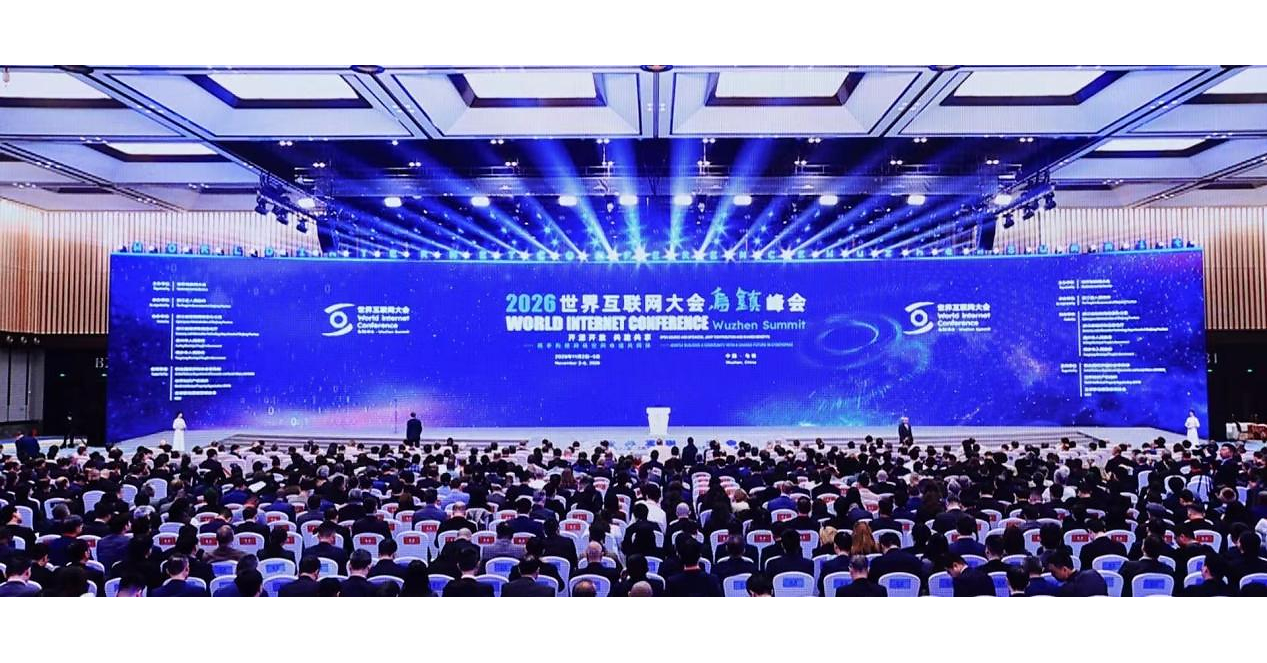
The 2026 World Internet Conference Wuzhen Summit opened on November 3 in Wuzhen, China, under a theme focused on openness, collaboration and shared benefits in cyberspace. Approximately 1,800 people attended, including government officials, international-organization leaders, internet-company representatives and experts; the report describes no market-moving announcements.
Analysis
The summit itself is a low-information event, not an earnings catalyst. Its market relevance depends on whether the “openness” framing produces policy or procurement changes that affect access to Chinese cloud, AI, data, and open-source ecosystems. In the near term, attendance and rhetoric alone should not alter earnings estimates or justify a sector trade. Over the next 1–3 months, watch for concrete standards, cross-border data rules, public-sector procurement guidance, or commitments that change adoption economics. Over 6–18 months, genuine interoperability could benefit vendors able to localize and contribute to open-source projects; competing geopolitical blocs and data-security constraints could instead reinforce duplicated technology stacks and raise compliance costs for multinational providers. The contrarian point is that openness language may be read too literally: it does not establish that foreign firms will gain market access or that China’s domestic policy constraints have eased. Treat any associated rally as unconfirmed until policy text and commercial implementation are observable. A thesis of improved access would be falsified by tighter data controls, exclusionary procurement, or no measurable change in foreign participation.
AllMind Terminal
AI-powered research, real-time alerts, and portfolio analytics for institutional investors.
Request TrialMarket Sentiment
Overall Sentiment
neutral
Sentiment Score
0.00
Key Decisions for Investors
- No event-driven position is warranted on the conference announcement alone; avoid treating attendance or stated themes as evidence of incremental revenue.
- Monitor China internet, cloud, AI, and cybersecurity exposures for official follow-through: procurement rules, data-transfer provisions, technical standards, and named implementation timelines.
- If policy documents credibly widen cross-border participation, assess China-facing global technology providers against domestic incumbents; require evidence of contract access or adoption before positioning.
- If rhetoric is followed by tighter controls or bloc-specific standards, favor the relative-resilience question—domestic Chinese technology supply chains versus multinational providers’ compliance exposure—rather than a broad technology-sector view.
More News
- Tech stock rout, driven by US AI fears, continues in Asian trading
- Asian Markets Tally Losses From Worsening Global Rout
- AI’s Grip on Financial Markets Was Never Clearer on the Way Down
- Elon Musk once said the Cybertruck would be Tesla’s ‘best product ever.’ Now he’s winding down production
- Russia to UAE, Iran steps up diplomacy amid Trump threats: What we know
- FTSE 100 today: Stocks slump as global tech rout deepens