
Beko's FlexiStart helps households run appliances when electricity is cheaper
Source: PR Newswire
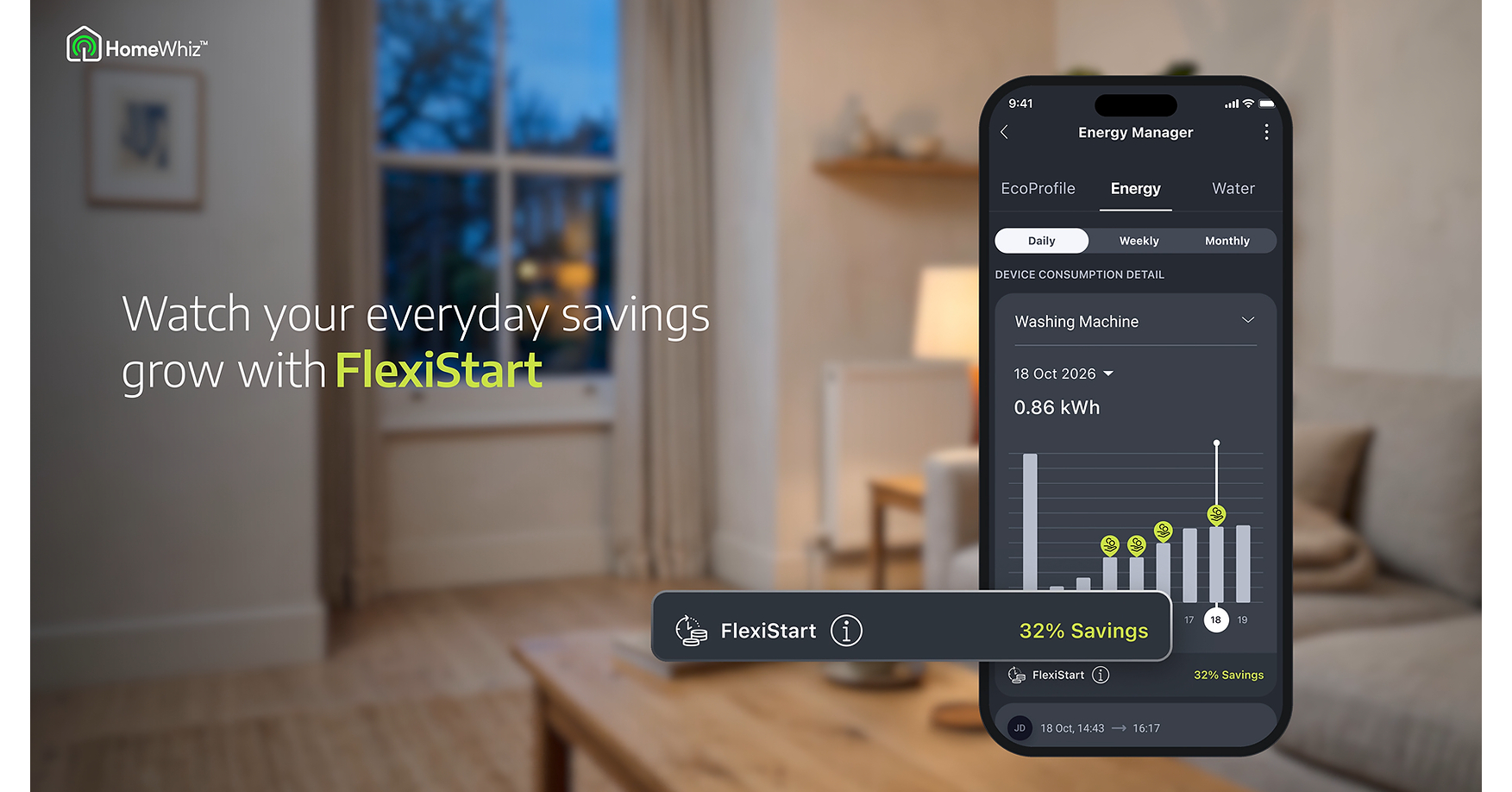
Beko will launch FlexiStart in January 2027, allowing HomeWhiz-connected washing machines, dishwashers and tumble dryers to schedule cycles during lower-cost electricity periods. Energy-provider integrations are planned for Germany and Türkiye at launch, following a Netherlands pilot; the feature is intended to lower bills for participating households and make demand more flexible as renewable generation grows.
Analysis
The commercial signal is product differentiation, not a near-term earnings catalyst. FlexiStart only creates household value where customers have time-of-use or dynamic tariffs and the off-peak discount outweighs any inconvenience; adoption, eligible appliance base, and provider coverage—not the feature announcement—will determine whether this becomes a meaningful sales or retention lever for Beko. The stronger second-order opportunity is for utilities and demand-response aggregators: appliance scheduling can make residential load more controllable, but value capture depends on whether they can aggregate participation and pay for flexibility rather than simply pass through cheaper hours.
Over 1–3 months, monitor whether the announced German and Turkish partnerships go live on schedule and publish participation or usage data. The Netherlands pilot is not evidence of scaled economics. Over 6–18 months, interoperability standards could expand the addressable ecosystem, while also making scheduling a table-stakes feature for Beko’s competitors—including Bosch, Samsung, LG, and Electrolux—rather than a durable moat. Wider rollout to refrigerators and air conditioners could increase flexibility, but those devices raise comfort and control considerations absent from shifting laundry cycles.
Contrarian read: COP31 visibility and sustainability credentials may invite investors to overestimate monetization. Household bill savings do not automatically accrue to the manufacturer, and grid flexibility benefits do not establish a material appliance replacement uplift. The thesis strengthens only with evidence of adoption, partner expansion, or improved appliance conversion/retention; it weakens if launch slips, tariff spreads narrow, or customers fail to use scheduling. No supplied ticker mapping supports a named equity trade.
AllMind Terminal
AI-powered research, real-time alerts, and portfolio analytics for institutional investors.
Request TrialMarket Sentiment
Overall Sentiment
mildly positive
Sentiment Score
0.25
Key Decisions for Investors
- No immediate directional trade: treat the announcement as low-impact product news, not a basis for changing Beko/Arçelik exposure.
- Set a 1–3 month alert for launch execution in Germany and Türkiye; verify partner names, eligible customer counts, opt-in rates, and actual shifted kWh before underwriting revenue or grid-service value.
- Watch Bosch, Samsung, LG, and Electrolux product announcements for comparable scheduling features. If the capability becomes standard without evidence of pricing or share gains for Beko, discount claims of durable differentiation.
- Revisit the thesis over 6–18 months if Beko reports measurable adoption or appliance conversion/retention benefits. Falsifiers include rollout delays, weak participation, narrowing off-peak tariff spreads, or no broader provider expansion.
More News
- Tech stock rout, driven by US AI fears, continues in Asian trading
- Asian Markets Tally Losses From Worsening Global Rout
- AI’s Grip on Financial Markets Was Never Clearer on the Way Down
- Elon Musk once said the Cybertruck would be Tesla’s ‘best product ever.’ Now he’s winding down production
- Russia to UAE, Iran steps up diplomacy amid Trump threats: What we know
- FTSE 100 today: Stocks slump as global tech rout deepens