
Elon Musk says he can build a wireless carrier in two to three years. Is that possible?
Source: MarketWatch
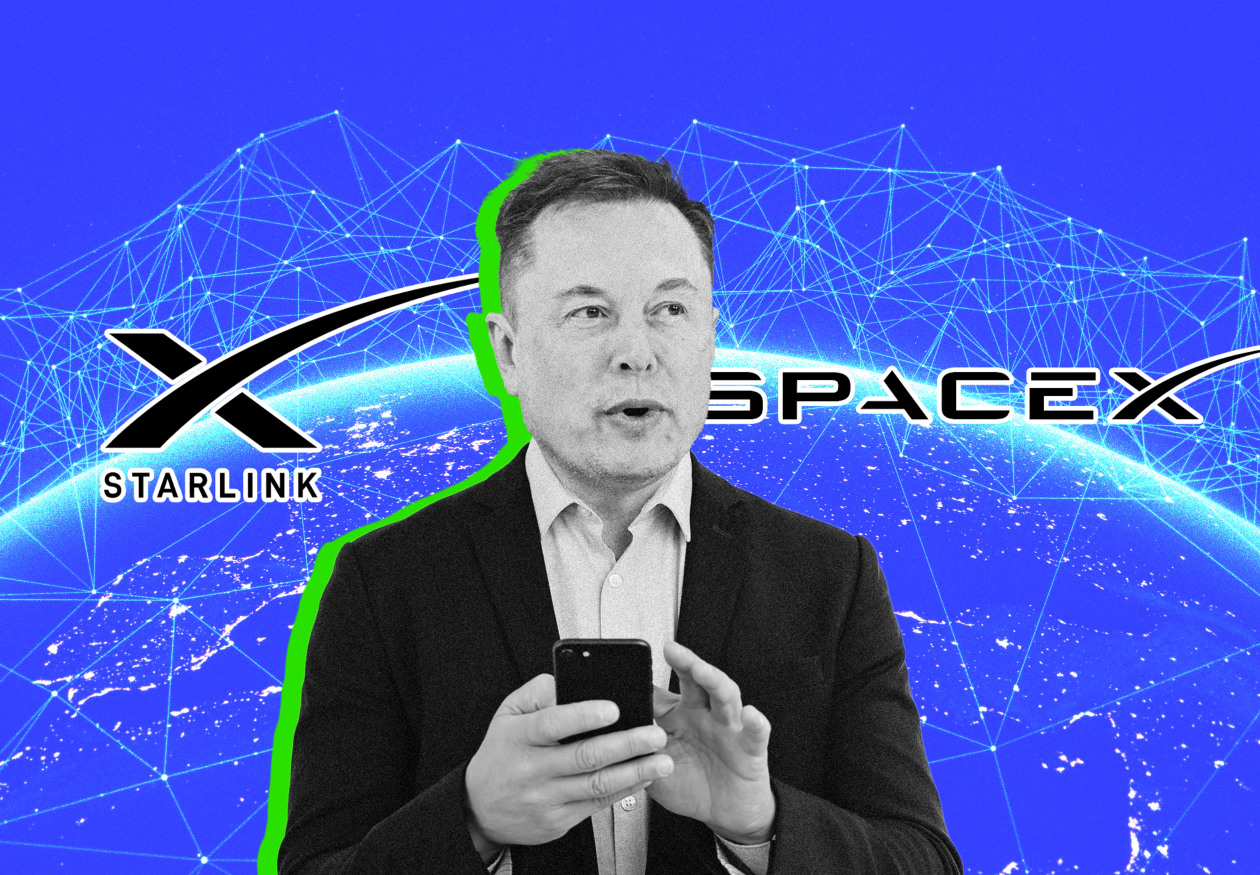
Elon Musk says he could build a wireless carrier in two to three years using SpaceX’s Starlink unit, while Verizon CEO Daniel Schulman estimated SpaceX’s mobile network could take at least four to six years to take shape. Analysts say SpaceX may be able to bypass some industry norms, but building a wireless network is generally time-consuming and expensive; Schulman said Verizon would welcome eventual competition.
Analysis
The key distinction is between adding satellite connectivity to a mobile offer and reproducing a terrestrial carrier’s capacity, indoor coverage, spectrum position, and service economics. Starlink could shorten time to market by partnering for spectrum, distribution, or existing network access; that would make a two-to-three-year launch more plausible, but would not by itself establish a nationwide substitute for Verizon. The competitive risk is therefore initially most credible in coverage extension and niche use cases, not broad displacement of mobile subscribers. For Verizon, the indirect effect could cut both ways: a credible alternative may pressure pricing or customer retention, while a wholesale or coverage partnership could create revenue and reduce the need to match satellite infrastructure. The CEO’s willingness to compete is not evidence that either outcome is contracted or financially material.
Over the next 1–3 months, watch for verifiable spectrum and distribution arrangements, regulatory filings, and service terms—not timeline claims. Over 6–18 months, the thesis strengthens only if capacity, device compatibility, and customer economics support repeatable service at scale. The main contrarian point is that a faster launch may be mistaken for a faster carrier build: market expectations could overreact to a product launch before it demonstrates substitution. Conversely, treating the effort as impossible ignores partnership routes that bypass some build-out steps. With no disclosed deal economics or evidence of material subscriber displacement, the signal is too weak for a directional VZ trade.
AllMind Terminal
AI-powered research, real-time alerts, and portfolio analytics for institutional investors.
Request TrialMarket Sentiment
Overall Sentiment
neutral
Sentiment Score
0.00
Ticker Sentiment
Key Decisions for Investors
- No immediate directional position in VZ or SPCX based on the timeline discussion alone; do not equate a satellite-to-phone launch with a full-service terrestrial carrier.
- Set an alert for spectrum access, carrier/distribution agreements, and relevant regulatory approvals. Verify who controls the customer relationship, capacity rights, and economics before revising incumbent revenue or margin assumptions.
- Monitor Verizon commentary on churn, pricing, and network investment alongside service performance and device compatibility. A meaningful deterioration in those metrics would strengthen the competitive-pressure thesis; partnership revenue or stable retention would weaken it.
- Reassess over 6–18 months if independently verifiable service scale emerges. A launch without evidence of usable capacity or subscriber adoption would falsify the near-term displacement case.
More News
- We're adding a new, high-profile AI play to our Bullpen stocks to watch list
- FCC clears Amazon Leo to acquire mobile-satellite operator Globalstar
- Jim Cramer says these tech giants can weather market turbulence
- The last, best hope for space tourism just rolled onto a runway in Arizona
- The 'Magnificent Seven' is no more. Time to pick winners and losers as group's correlation breaks down
- Why GM and Hilton are ditching the NYSE for Nasdaq