
Zendure představuje na veletrhu IFA 2026 systém Agentic HEMS: „Domácí energetické centrum éry AI"
Source: PR Newswire
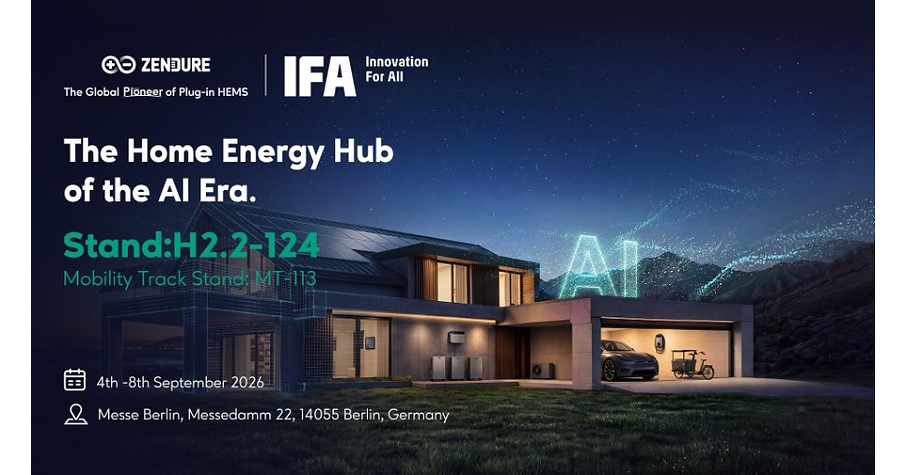
Zendure at IFA 2026 unveiled its “Agentic HEMS” vision, shifting home energy management from AI scheduling to system-level autonomy using its ZenPulse predictive model, ZENKI™ AI agents, and the Zen+OS open platform. The platform integrates with MQTT/Home Assistant/Homey and supports 90%+ common appliances, 870+ European energy suppliers, and 5,000+ heat-pump models, plus dynamic pricing via ZenWave™ to automatically buy electricity when prices are lowest. The launch is product-innovation focused with limited direct financial data, but it signals a potentially meaningful next step for automated energy optimization and customer cost reduction.
Analysis
This reads more like a category signal than a company-specific catalyst: the economic value in home energy is shifting from “smart hardware” to the control layer that can arbitrate between solar, storage, EV charging, and tariff volatility. If that migration sticks, the durable winners are the platforms that own the workflow and installed base, not the cheapest battery box; that is modestly supportive for integrated players like ENPH and, to a lesser extent, SEDG, while making pure-play charger hardware more vulnerable to commoditization.
The second-order effect is margin compression at the device layer. Once optimization becomes table stakes, installers will bundle similar AI claims across competing brands, which tends to pull pricing down while expanding unit adoption only slowly; any upside to hardware volumes could be offset by lower gross margin per system. The more interesting medium-term beneficiary may be residential flexibility aggregators and utilities with dynamic tariffs, because software that shifts load into cheaper hours only monetizes if the spread structure persists.
Contrarian view: the market may be overrating “AI” as a demand accelerator when the real bottleneck is payback math and installation friction. Open APIs are not a moat; they can actually lower switching costs and make the sector more contestable. The thesis is falsified if European residential commentary shows no improvement in battery attach, EV charger attach, or recurring software revenue over the next 1-2 earnings cycles.
AllMind Terminal
AI-powered research, real-time alerts, and portfolio analytics for institutional investors.
Request TrialMarket Sentiment
Overall Sentiment
mildly positive
Sentiment Score
0.18
Key Decisions for Investors
- No immediate direct trade on the launch itself; treat as a watch item and wait for channel checks or next-quarter commentary before underwriting any revenue impact.
- Tactically long ENPH / short WBX over 1-3 months as a relative-value expression on control-layer consolidation versus commodity charger exposure; stop out if WBX demonstrates meaningful software monetization or partner traction.
- Use ENPH 3-6 month call spreads on pullbacks only if European residential order commentary improves; target 2:1 risk/reward, avoid paying up into the event.
- Set an alert on European dynamic tariff spreads and residential battery utilization; if spreads normalize or utilization falls, fade any rally in residential storage names like ENPH/SEDG.
More News
- Iran says two tankers catch fire after hitting mines in Strait of Hormuz
- US and Iran both claim control of Strait of Hormuz amid attacks on vessels
- AI stocks plunge. Inflation heats up. Where we're still finding opportunities
- Bending Spoons wants to revive software castoffs. Berkshire is backing the plan
- AI rapidly improving, could vastly boost U.S. GDP, Anthropic's Clark tells policymakers
- ‘How many canaries have we killed in the coal mine?’ — Wall Street debates if the latest AI bubble warnings are another head fake or the real thing
From AllMind Research
- Anthropic IPO Preview: Valuation, Timing, and What to Watch
- Shein After the IPO: Venue, Valuation, and What Must Be Proved
- What AI Research Tools Should a Small Hedge Fund Buy First?
- What Is an AI Investment Research Platform?
- What Exactly Does Post-Training in LLMs and Finance-Focused AI Actually Mean for Asset Managers?