
Motorola debuts the moto watch ultra at IFA 2026
Source: PR Newswire
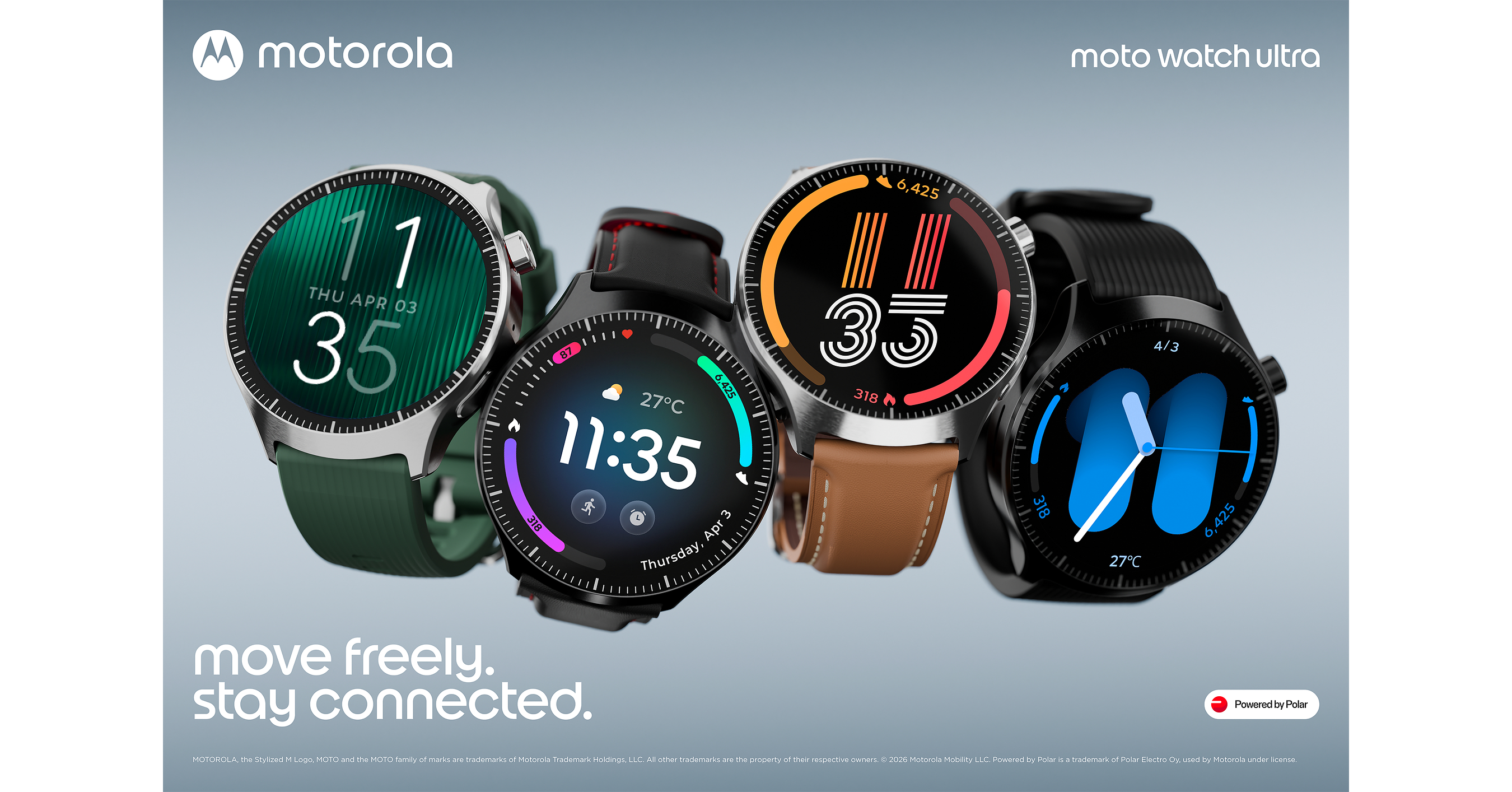
Motorola launched the moto watch ultra in North America, priced at $349.99, featuring Wear OS by Google, LTE eSIM connectivity, and Polar-powered fitness/wellness insights (e.g., Serene breathing, Nightly Recharge sleep/ANS recovery, and Sleep Plus Stages). The watch adds Google Wallet/NFC payments, dual-band GPS, IP68/5ATM protection, and Running Coach, with up to ~2 days battery life (or ~24 hours with a 15-minute charge). Availability starts Sept. 10 on Motorola.com and later with Verizon and T-Mobile/AT&T channels.
Analysis
This is better read as an ecosystem-retention move than a meaningful device P&L event. The most durable economic benefit accrues to the platform layer: Wear OS gets another incremental use case, which matters because the real moat in wearables is not hardware margin but default behavior, app re-engagement, and switching friction. That makes GOOGL the cleanest indirect winner, though the revenue delta is small; the more important effect is defensive, reducing the odds that Android wearables become a dead-end versus Apple’s vertically integrated stack.
The hardware economics look less exciting. A $350 LTE watch can help the vendor’s mix, but wearables remain a high-churn category where launch interest rarely translates into installed-base longevity. POLR’s role is likely to be promotional rather than financially material unless this scales into recurring software/licensing economics, which is not yet visible. Lenovo exposure is similarly modest: this is more useful for broadening the consumer funnel and bargaining power with carriers than for moving group EBITDA.
Carrier read-through is the subtle second-order effect. LTE wearables can add attach and small recurring lines, but that benefit is usually diluted by subsidies and promos; it matters most if the device drives premium plan upgrades or lowers churn in postpaid households. Over 1-3 months, the catalyst is channel sell-through data, not the launch itself. Over 6-18 months, the question is whether Motorola can sustain ecosystem pull against AAPL and Samsung; absent that, this remains a niche proof point rather than a category shift. The contrarian view is that the market may overrate the AI/wellness narrative while underweighting how little consumer willingness to manage another connected device has improved.
AllMind Terminal
AI-powered research, real-time alerts, and portfolio analytics for institutional investors.
Request TrialMarket Sentiment
Overall Sentiment
mildly positive
Sentiment Score
0.15
Ticker Sentiment
Key Decisions for Investors
- Small tactical long GOOGL vs. basket of Android hardware OEMs over 1-3 months: thesis is ecosystem stickiness, not revenue upside; stop if Wear OS adoption/engagement data disappoints or if Google comments suggest no monetization lift.
- Watchlist only on POLR until there is evidence of royalty-bearing volume or recurring software revenue; without that, this looks like branding leverage rather than an earnings inflection.
- Modest long T only if carrier channel checks show meaningful LTE attach or premium-plan migration; otherwise keep it as a no-trade because the ARPU upside is likely too small to matter at scale.
- Contrarian alert: fade any attempt to buy the hardware name aggressively on launch enthusiasm alone; if sell-through data after 4-6 weeks is weak, the stock should be treated as a short-lived promotion rather than a durable demand signal.
More News
- SpaceX’s ambitious, expensive gamble to replace AT&T, T-Mobile, and Verizon
- T-Mobile: A Major Profit Boost May Be Coming
- Costco Wholesale Has Fallen More Than 10% From Its Peak Before. Here's What History Says Happens Next.
- Ember’s new temperature-controlled mug makes my nightly tea ritual even better
- Get Help With Holiday Spending: Best Credit Card Bonuses This Week, Oct. 17, 2026
- Bending Spoons wants to revive software castoffs. Berkshire is backing the plan
From AllMind Research
- Anthropic IPO Preview: Valuation, Timing, and What to Watch
- Shein After the IPO: Venue, Valuation, and What Must Be Proved
- What AI Research Tools Should a Small Hedge Fund Buy First?
- What Is an AI Investment Research Platform?
- What Exactly Does Post-Training in LLMs and Finance-Focused AI Actually Mean for Asset Managers?