
LGMG présente des solutions de recharge ultra-rapide et des solutions énergétiques intégrées pour l'électrification minière
Source: PR Newswire
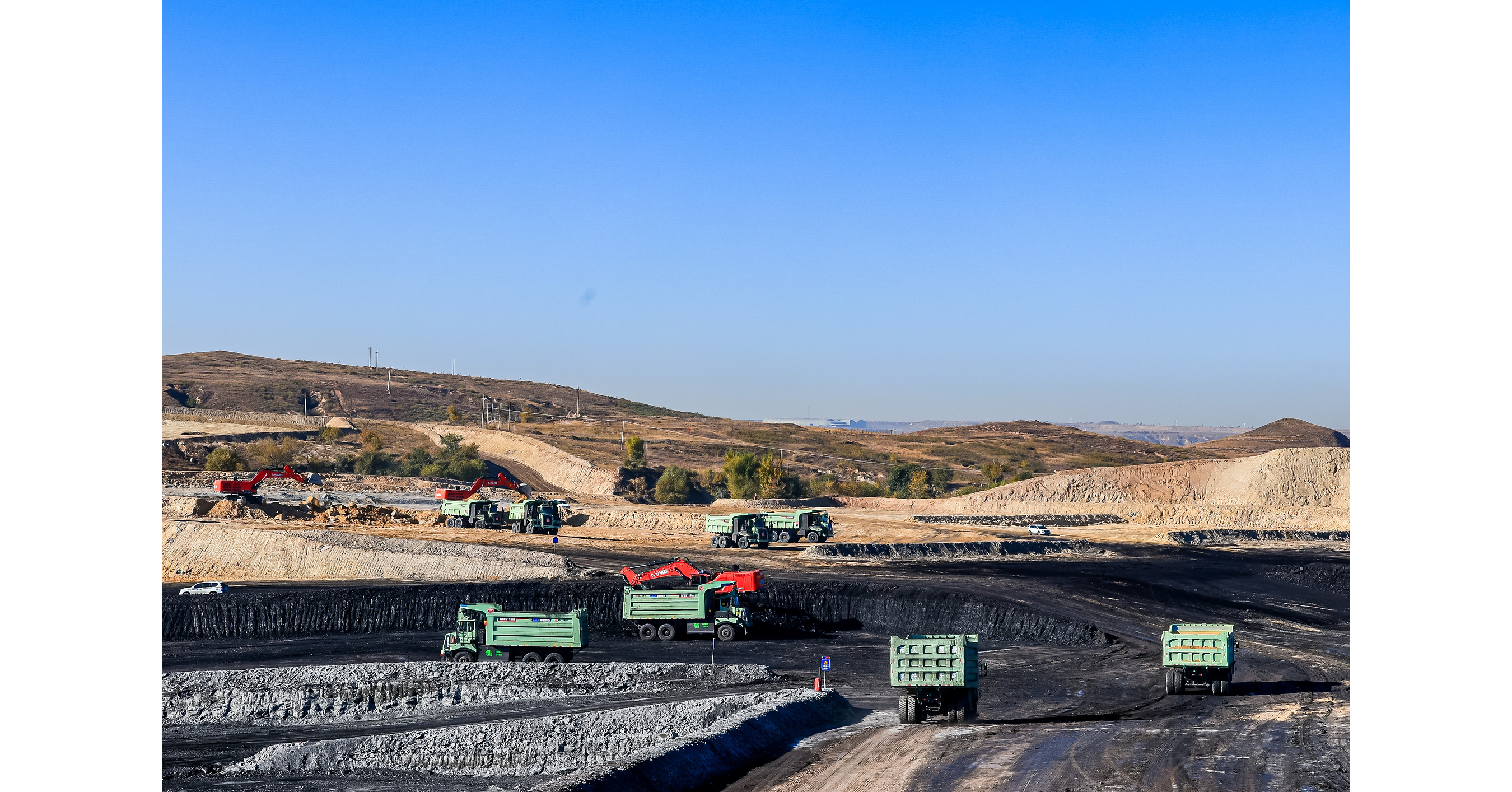
LGMG showcased an integrated mining electrification system in Ordos, combining electric mining trucks, solar generation, energy storage, fleet management and megawatt-class fast charging. In tests, one truck charged from 20% to 90% in 23 minutes; the company also said its charging system can deliver nearly 800 kWh in 18 minutes, with peak charging power of about 3.6 MW. The technologies are intended to reduce diesel dependence and downtime while maintaining mine productivity; the article reports no commercial deployment or financial results.
Analysis
The investable question is not whether a truck can charge quickly in a test, but whether mines can sustain fleet utilization after accounting for charging queues, battery degradation, grid constraints and site-level power costs. If the integrated system works at commercial scale, value shifts from diesel and maintenance toward batteries, power conversion, storage and mine-site energy management; the service network may matter as much as the vehicle in winning replacement cycles. This is a potential competitive pressure on Caterpillar, Komatsu and other incumbent equipment providers, but the demonstration alone does not establish customer economics or order displacement.
Near term, treat this as product positioning rather than a financial catalyst: no disclosed orders, customer payback, uptime data or independent operating results support a valuation change. Over 1–3 months, look for named mine deployments and verified duty-cycle, charging and availability data. Over 6–18 months, the key constraint may be site power infrastructure and interconnection, not truck supply; that could create demand for storage and electrical equipment while limiting adoption at remote or grid-constrained mines.
Contrarian point: headline charging speed may overstate the system-level productivity gain. Peak megawatt charging can require costly infrastructure and create bottlenecks if fleet dispatch and charging schedules are poorly matched. The thesis weakens if commercial sites show lower availability or no measurable total-cost advantage versus diesel, or if customer orders fail to follow the demonstrations.
AllMind Terminal
AI-powered research, real-time alerts, and portfolio analytics for institutional investors.
Request TrialMarket Sentiment
Overall Sentiment
mildly positive
Sentiment Score
0.25
Key Decisions for Investors
- No immediate trade on this announcement alone. Treat LGMG’s claims as company-reported test and demonstration evidence, not proof of commercial economics.
- Set an alert for disclosed customer orders and independently verifiable mine-site metrics: fleet availability, energy cost per operating hour, charging-queue time, battery degradation and total cost of ownership.
- If deployments generate confirmed infrastructure contracts, assess electrical-equipment and storage suppliers as conditional beneficiaries; do not attribute supplier exposure to ABB, Siemens or other vendors without evidence they are selected.
- Monitor Caterpillar and Komatsu disclosures for mine-truck electrification wins, customer retention and competitive pricing. Revisit the relative thesis if LGMG demonstrates repeat deployments with sustained productivity and lower customer costs.
More News
- Qatar Reinvents LNG Trade to Restore Global Clout Even as Iran War Drags
- South Korean carmaker Hyundai plans 'strategic' investment of $15.5 billion in India by 2032
- Airport attacks put aviation in crosshairs of geopolitical conflicts
- Applied Materials’ $5 billion AI lab aims to cut chip development time in half—and restore Silicon Valley’s edge
- Namibia battles cattle disease outbreak as EU suspends several meat imports
- Meta’s Muse models reach the AI frontier—and kill any hopes to ‘pace’ it