
Red Gold from Europe promotes the Culinary Heritage of Italian and EU Preserved Tomatoes in the USA
Source: PR Newswire
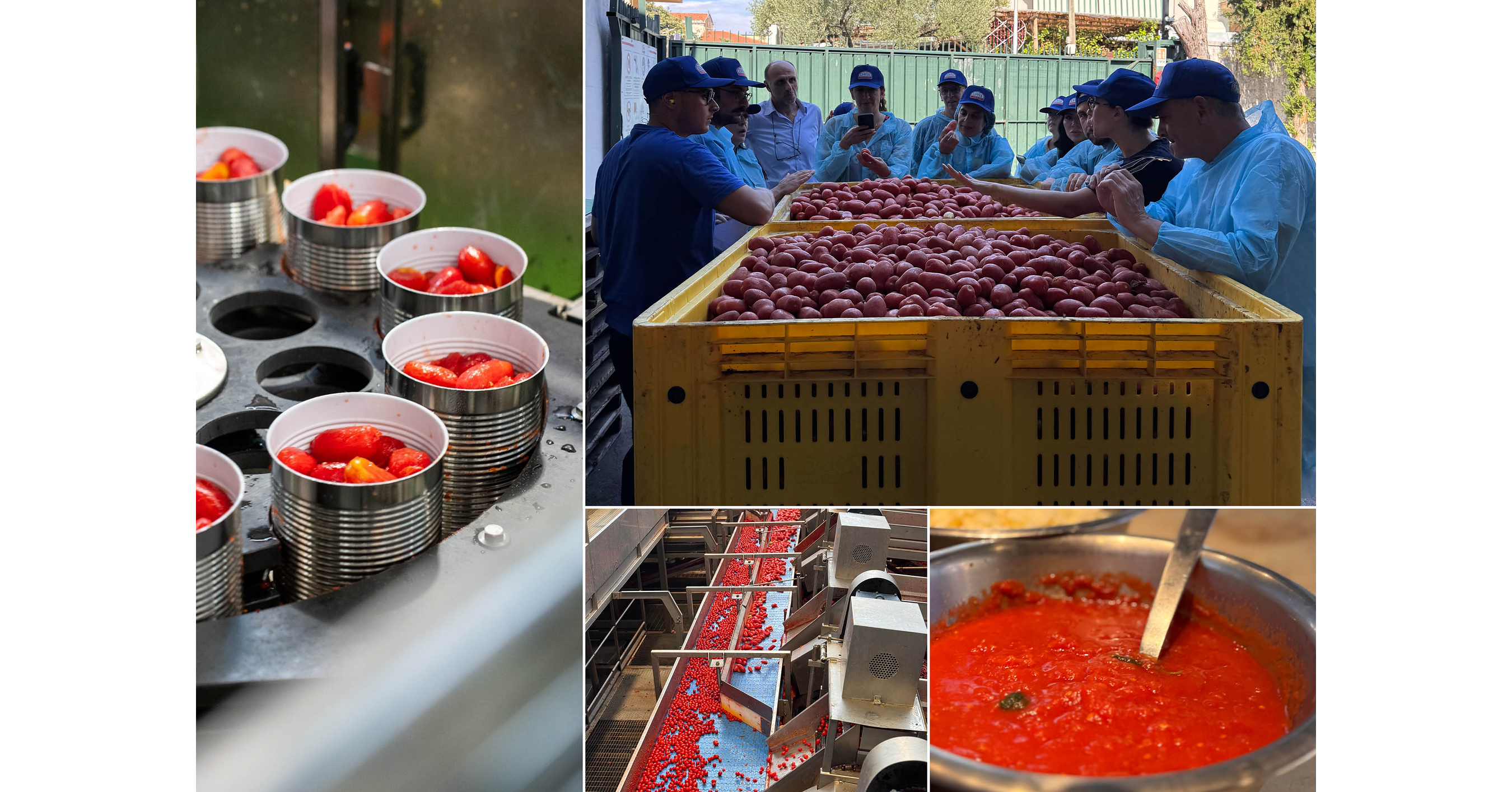
ANICAV’s Italy-based educational tour for 9 U.S. opinion leaders and media/influencers, co-funded by the European Commission, showcased Italian canned tomato cultivation and processing, plus chef-led cooking masterclasses. The article is promotional and provides no financial figures or company performance metrics, implying minimal near-term market impact.
Analysis
This reads as a low-ATP brand-building exercise, not an earnings event. The only plausible public-market transmission is incremental premiumization in imported pantry staples, but the spend and audience are far too small to move category volumes in a way that would matter for large-cap food names or broad consumer baskets.
Second-order, the real beneficiaries would be niche importers, specialty grocers, and Italian restaurant concepts that can use the "authenticity" narrative to justify price points; the losers are commoditized private-label sauce brands if the message translates into even a modest mix shift. But that effect is likely drowned out by grocery inflation, promotions, and private-label share gains, so any lift would show up first in scanner data, not financial statements.
From a timing standpoint, there is no immediate catalyst for listed equities. Over 1-3 months, the only thing worth watching is whether the campaign is followed by U.S. distributor expansion, menu placement, or trade-show activity; over 6-18 months, the thesis only becomes investable if there is evidence of sustained premium import growth in the category. Absent that, this is more a public-relations signal than a demand signal.
Contrarian view: the market may overread EU-funded food promotion as a structural export push, when in practice these campaigns often have low conversion and weak attribution. If anything, the more important implication is regulatory and subsidy persistence in European agri-marketing, which can support a long tail of marketing spend but does not translate into a clean equity trade. For now, there is no high-conviction short or long here.
AllMind Terminal
AI-powered research, real-time alerts, and portfolio analytics for institutional investors.
Request TrialMarket Sentiment
Overall Sentiment
neutral
Sentiment Score
0.10
Key Decisions for Investors
- No direct equity trade: the expected financial impact is below the threshold for positioning in GOOGL, consumer staples, or ETF proxies; treat as a watch item only.
- Monitor U.S. import and scanner data for premium canned tomato/Sauce category share over the next 1-3 months; only act if there is a statistically visible uptick in import volumes or shelf-share at specialty grocers.
- If the authenticity narrative starts showing up in restaurant menu pricing and traffic, consider a small relative-value long in premium grocers or specialty food names vs. broad packaged foods, but only after confirmation from Q2/Q3 data.
- Set a falsification trigger: if no change appears in U.S. canned tomato import volumes, restaurant menu mentions, or distributor commentary by the next earnings season, discard the thesis entirely.
- Do not chase social/marketing linkage to GOOGL or ad-tech names; the campaign budget is too small and too localized to create measurable revenue sensitivity.
More News
- AI Selloff Deepens in Asia as Funding Fears Mount
- Trump administration advances plan for peptide drugs favored by RFK Jr.
- TSMC chip capacity is ‘fierce’ battleground for AI customers, amid record quarter
- Chevron CEO warns oil buffers that cushioned the Iran war shock have been ‘drained’—and diesel relief may not come until 2027
- Smartphone shipments plummet as memory crisis pumps up prices
- Global EV sales fall 2% in September, ending six-month growth streak