
The United States and Canada join Fruit Attraction 2026, one of the world's leading events for fresh produce industry
Source: PR Newswire
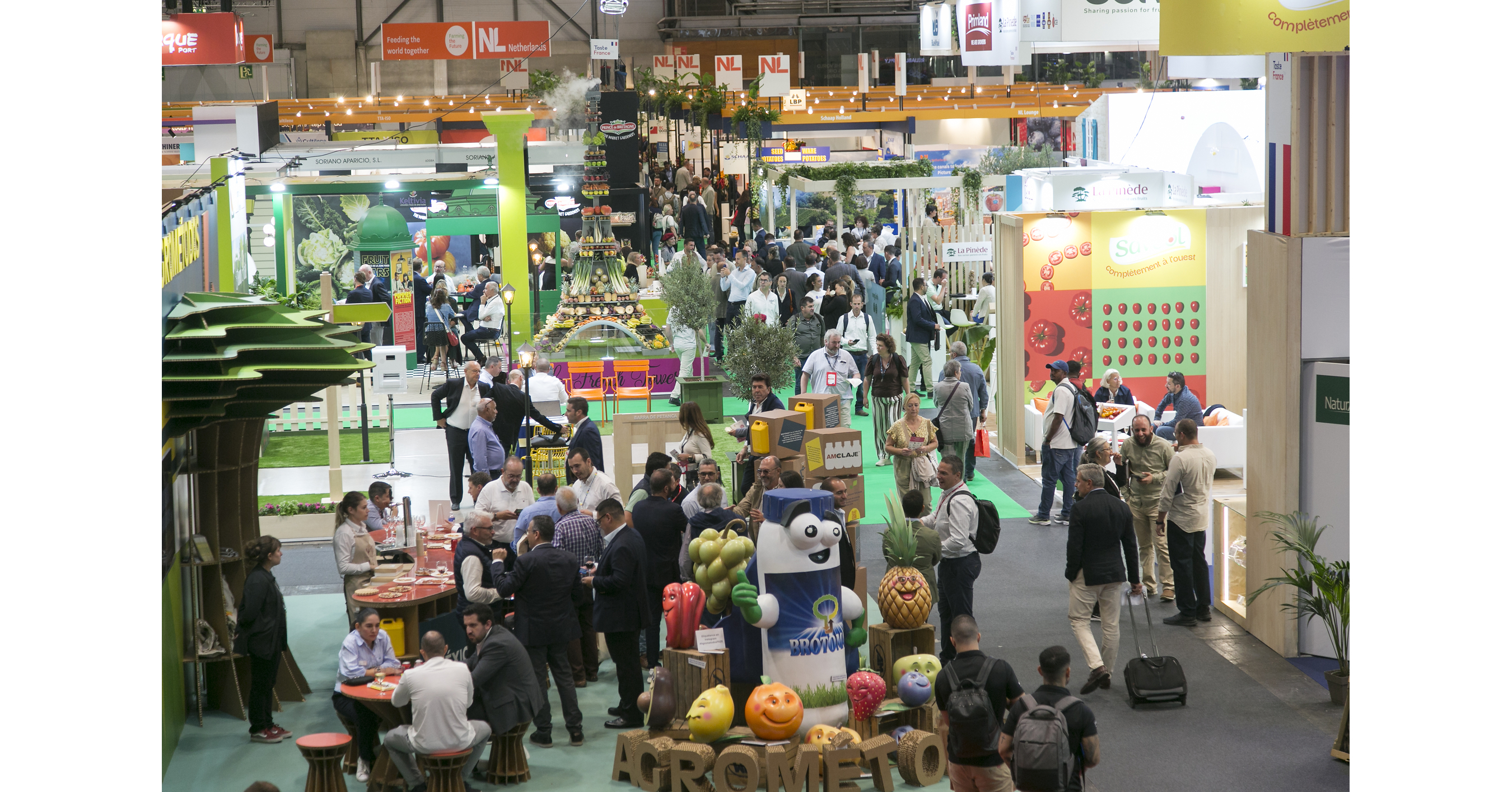
Fruit Attraction 2026 will be held in Madrid on October 6-8, bringing together more than 2,500 exhibitors, 121,000 trade professionals from over 150 countries and 162,000 square metres of exhibition space. The event's International Buyers Program will host 700 major buyers from more than 50 countries, while China and the UAE will participate as guest importing countries. The trade show underscores expanding international fresh-produce commercial links, though it is primarily an industry event with limited direct market impact.
Analysis
This is principally a channel-check event rather than a standalone investable catalyst. The highest-information signals will be buyer commitments, freight-contract discussions, and phytosanitary-access announcements involving China and the UAE; those can change realized export volumes only if they translate into recurring retail listings and cold-chain capacity, not memoranda of understanding. Public-market exposure is diffuse, with European grocers and produce distributors generally too diversified for the event itself to move earnings.
A non-obvious read-through is for reefer logistics and food-safety/traceability vendors if new long-haul trade corridors gain traction. Longer transit routes raise spoilage risk and working-capital needs, favoring integrated cold-chain operators and controlled-atmosphere packaging over spot-market exporters; conversely, a greater supply of imported produce can pressure local grower pricing in destination markets during overlapping harvest windows. Over 6-18 months, market-access expansion could modestly reduce seasonal price volatility for retailers, but only after regulatory protocols, port handling, and last-mile cold storage are proven.
Consensus should not extrapolate event attendance into demand growth. Fresh-produce trade is constrained by border inspections, perishability, FX, water availability, and container economics; a weak consumer backdrop or lower freight rates can shift bargaining power toward large retailers, limiting producer margin capture even when export volumes rise. There is no immediate listed-equity trade absent disclosed contracts, volume guidance, or evidence that new routes clear commercial-scale phytosanitary approvals.
AllMind Terminal
AI-powered research, real-time alerts, and portfolio analytics for institutional investors.
Request TrialMarket Sentiment
Overall Sentiment
mildly positive
Sentiment Score
0.30
Key Decisions for Investors
- No directional position on the event. Monitor October meetings for independently confirmed multi-year supply agreements, especially China/UAE import approvals; treat announcements without committed volumes, pricing, or logistics capacity as non-actionable.
- Create a 1-3 month watchlist around European cold-chain and reefer-logistics operators, including Kuehne+Nagel (KNIN SW) and DSV (DSV DC). Consider longs only if management identifies incremental refrigerated volumes or yield-accretive contract wins; falsify on continued freight-rate deflation or margin guidance cuts.
- For consumer-staples books, watch European food retailers Ahold Delhaize (AD NA), Carrefour (CA FP), and Tesco (TSCO LN) for evidence that diversified produce sourcing lowers procurement inflation. The relevant catalyst is gross-margin commentary at the next earnings cycle, not exhibition traffic.
- Track EUR/USD, reefer-container pricing, and EU water-stress indicators over 6-12 months. A stronger euro, higher freight costs, or drought-driven Spanish supply shortfalls would impair exporter economics and could reverse any trade-expansion narrative.
More News
- Saudi, Turkish, Pakistani chiefs plan urgent talks amid Yemen fighting
- Trump Versus Xi: How Their High-Stakes Summits Compare
- Trump, Xi Address AI, Taiwan During State Visit
- Oracle Japan shares surge 7% after record fiscal first quarter, bucking selloff of U.S. parent
- China's Xi urges U.S. to cooperate on AI
- Akamai secures $11.6B cloud deal with Anthropic for AI workloads