
Huawei predstavuje šesť globálnych ukážok v oblasti energetiky a otvára systém novej energetiky so synergiou AI a energie
Source: PR Newswire
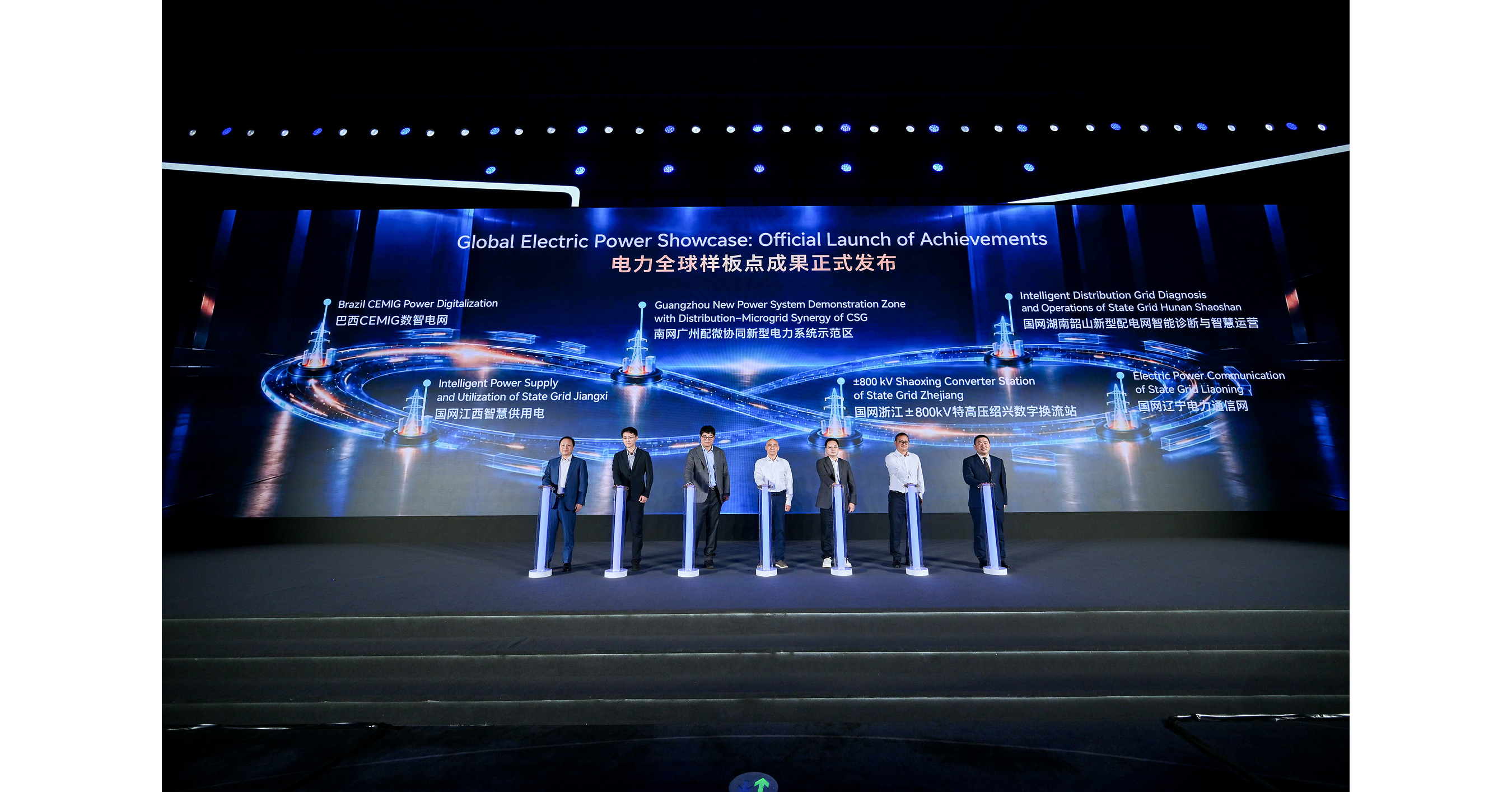
Huawei unveiled six global power-sector demonstration projects at its 2026 Global Electric Power Summit, positioning AI-enabled digital infrastructure as central to grid modernization. The projects span Brazil and China, including a ±800 kV UHV digital converter station, intelligent distribution networks, microgrids and energy-communications systems. Huawei argues that AI can address renewable-energy integration, low-voltage-grid management and electricity-access challenges affecting roughly 700 million people, but the announcement provides no financial targets, contract values or near-term earnings impact.
Analysis
This is not a standalone earnings catalyst for listed global grid-equipment names; it is a directional confirmation that distribution-grid software, sensors and power-quality hardware are becoming a larger share of utility capex. The investable read-through is strongest for Schneider Electric (SU.PA), ABB (ABBN.SW), Eaton (ETN), Itron (ITRI) and Landis+Gyr (LAND): grid visibility raises attachment rates for meters, communications modules, edge controls and recurring software, while equipment suppliers gain from the physical remediation required after faults are identified. The nearer-term bottleneck remains utility procurement and regulatory recovery, so revenue conversion is more likely a 12-24 month outcome than a quarterly inflection.
Huawei is more likely to intensify price competition in China, emerging markets and selected Latin American tenders than to displace Western incumbents in North America or Europe, where cybersecurity, data-sovereignty and vendor-screening rules protect ABB, Schneider and Siemens Energy (ENR.DE). That creates a two-speed market: lower hardware margins in Huawei-accessible regions, offset by higher-margin trusted-vendor projects in regulated Western grids. CEMIG's Brazil exposure is worth monitoring as a proof point, but a single demonstration should not be extrapolated into broad utility spending without disclosed contract value, deployment scale, outage reduction or allowed-return treatment.
The consensus may be too focused on AI data-center load as a beneficiary for generation and transmission alone. Distributed-load management can defer substation and feeder upgrades, potentially tempering peak capex for some utilities even as it expands the addressable market for controls; the economic winner is therefore the automation vendor, not necessarily the regulated utility. A reversal would come from slower interconnection queues, lower data-center load forecasts, utility commissions rejecting digital assets from rate base, or evidence that software-led demand response meaningfully substitutes for new equipment orders.
AllMind Terminal
AI-powered research, real-time alerts, and portfolio analytics for institutional investors.
Request TrialMarket Sentiment
Overall Sentiment
mildly positive
Sentiment Score
0.30
Key Decisions for Investors
- No immediate directional trade on the announcement; treat it as a watch item until utilities or vendors disclose contract values, order backlog, or recurring-software contribution. Reassess after next-quarter results from ETN, ITRI and LAND.
- Over 6-18 months, favor a quality grid-automation basket long ETN / ITRI over a broad renewable-equipment exposure such as TAN. ETN offers the more resilient data-center and electrical-distribution earnings base; ITRI provides higher operating leverage if advanced-meter deployments accelerate. Size only after verifying bookings and utility regulatory recovery.
- For European exposure, prefer long SU.PA versus short ENR.DE as a relative-value expression of distribution automation and electrification spend versus more volatile project-based transmission equipment. Thesis is falsified if Schneider's energy-management organic growth decelerates materially while Siemens Energy's grid order intake accelerates enough to close the execution-quality gap.
- Monitor Brazilian utility procurement and Chinese grid-automation pricing over the next 3-6 months. Broad Huawei wins in export markets would be a margin-warning signal for LAND and ITRI rather than a reason to chase the sector, especially if tender pricing begins to undercut Western vendors.
More News
- Oil prices jump after Yemen’s Houthis claim attacks on Saudi facilities
- Saudi, Turkish, Pakistani chiefs plan urgent talks amid Yemen fighting
- US 30-Year Yield Hits Highest Since 2004
- Oil falls amid optimism over potential diplomatic solution to the Iran conflict
- Trump Versus Xi: How Their High-Stakes Summits Compare
- Trump, Xi Address AI, Taiwan During State Visit