
LNG Exports Though Hormuz Remain Stalled Even as Oil Flows Rebound
Source: Bloomberg
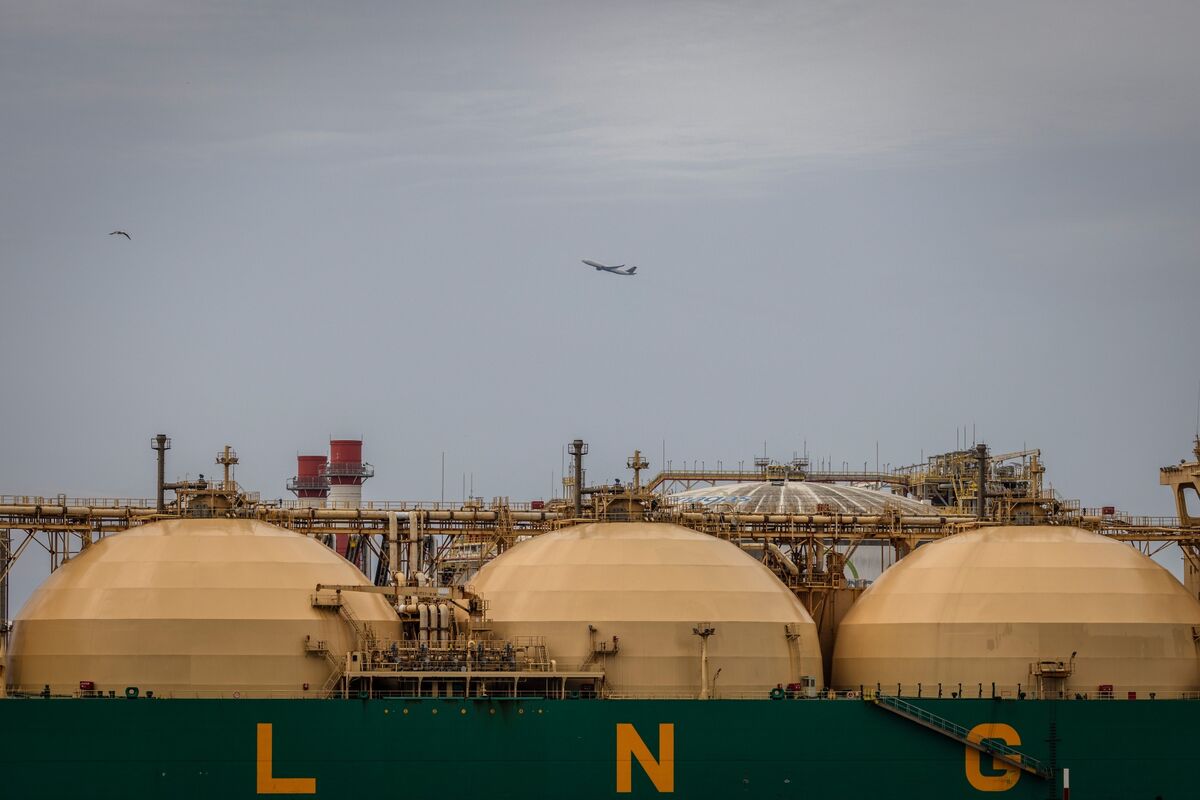
LNG exports through the Strait of Hormuz remain effectively stalled, even as oil flows have rebounded. Gas tankers are reportedly not tracking crude carriers, keeping LNG prices near wartime highs and signaling persistent supply constraints for super-chilled fuel. Despite the oil relief for President Trump, the divergence between oil and LNG shipping underscores ongoing geopolitical risk to gas trade routes.
Analysis
This is a classic divergence trade: oil can normalize while LNG stays hostage to a narrower logistics choke point. The market should not treat the two molecules as one macro signal; LNG has fewer routing alternatives, higher insurance sensitivity, and a much tighter correlation to Asian spot scarcity, so the real spread trade is JKM/TTF relative to Brent, not a generic energy beta bet. That favors the names that monetize export bottlenecks and shipping scarcity more than outright commodity exposure; for a lot of public equities, the balance sheet and contract structure matter more than the headline gas price.
The first-order winners are LNG shipping and midstream export infrastructure, not necessarily upstream gas producers. Fee-based operators with Gulf Coast export optionality can pick up incremental throughput and basis capture, while tanker owners can see day-rate upside if cargoes have to reroute or wait for higher-risk windows; NGS is too indirect to be the clean expression unless you are underwriting a delayed pickup in field activity from sustained gas tightness. The losers are Asian industrial users with limited hedging power and European gas-sensitive utilities, where margin compression can show up before any physical shortage.
Catalyst-wise, the next 1-4 weeks are headline-driven and reversible on any credible de-escalation or escorted shipping corridor. The 1-3 month path depends on whether buyers start substituting coal/fuel oil and whether winter storage gets drawn faster than planned; if that happens, the move can extend well into Q1. The contrarian risk is that the market is overpricing a permanent LNG shortage: once spot prices stay punitive long enough, demand destruction and contract renegotiation usually cap the upside, especially if Qatar-linked flows resume even partially.
AllMind Terminal
AI-powered research, real-time alerts, and portfolio analytics for institutional investors.
Request TrialMarket Sentiment
Overall Sentiment
mildly negative
Sentiment Score
-0.25
Ticker Sentiment
Key Decisions for Investors
- Long FLNG vs short XLE for the next 4-8 weeks: play LNG shipping scarcity while fading the assumption that oil beta captures the whole Hormuz risk. Falsifier: any credible reopening/escort regime or a sharp collapse in LNG freight rates.
- Overweight KMI and WMB on a 3-6 month horizon versus commodity-sensitive gas names: their export infrastructure cash flows benefit from sustained LNG tightness with much lower spot-price risk. Risk/reward improves if U.S. LNG utilization rises without a broad gas rally.
- Do not chase NGS as the primary expression yet; treat it as a watch item only. The path from LNG dislocation to NGS earnings is indirect and lagged, and the trade needs evidence of a real utilization uptick in compression fleets before entry.
- Set an alert on JKM-Henry Hub and LNG tanker day-rates: if the spread widens another 10-15% and freight stays elevated for 2+ weeks, add to LNG-linked longs; if the spread narrows 20-30% on de-escalation, take profits quickly.
- If seeking convexity, use a small call spread in FLNG rather than outright equity: the payoff is best if geopolitical friction persists, but the position should be sized assuming a fast reversal on diplomatic headlines.
More News
- Treasuries Soar as Tech Slump Threatens Growth
- Brian Sullivan: Why the 'real' price of oil is likely $30-$40 higher than where it is now
- Latest Oil Market News and Analysis for Oct. 16
- Blackstone President Jon Gray Bets Big on AI Boom
- AI Selloff Deepens in Asia as Funding Fears Mount
- How the Houthis are helping Iran turn Saudi Arabia into a pressure point