
Společnost Huawei představila šest globálních ukázek v oblasti energetiky a otevřela cestu k novému energetickému systému díky synergii umělé inteligence a energetiky
Source: PR Newswire
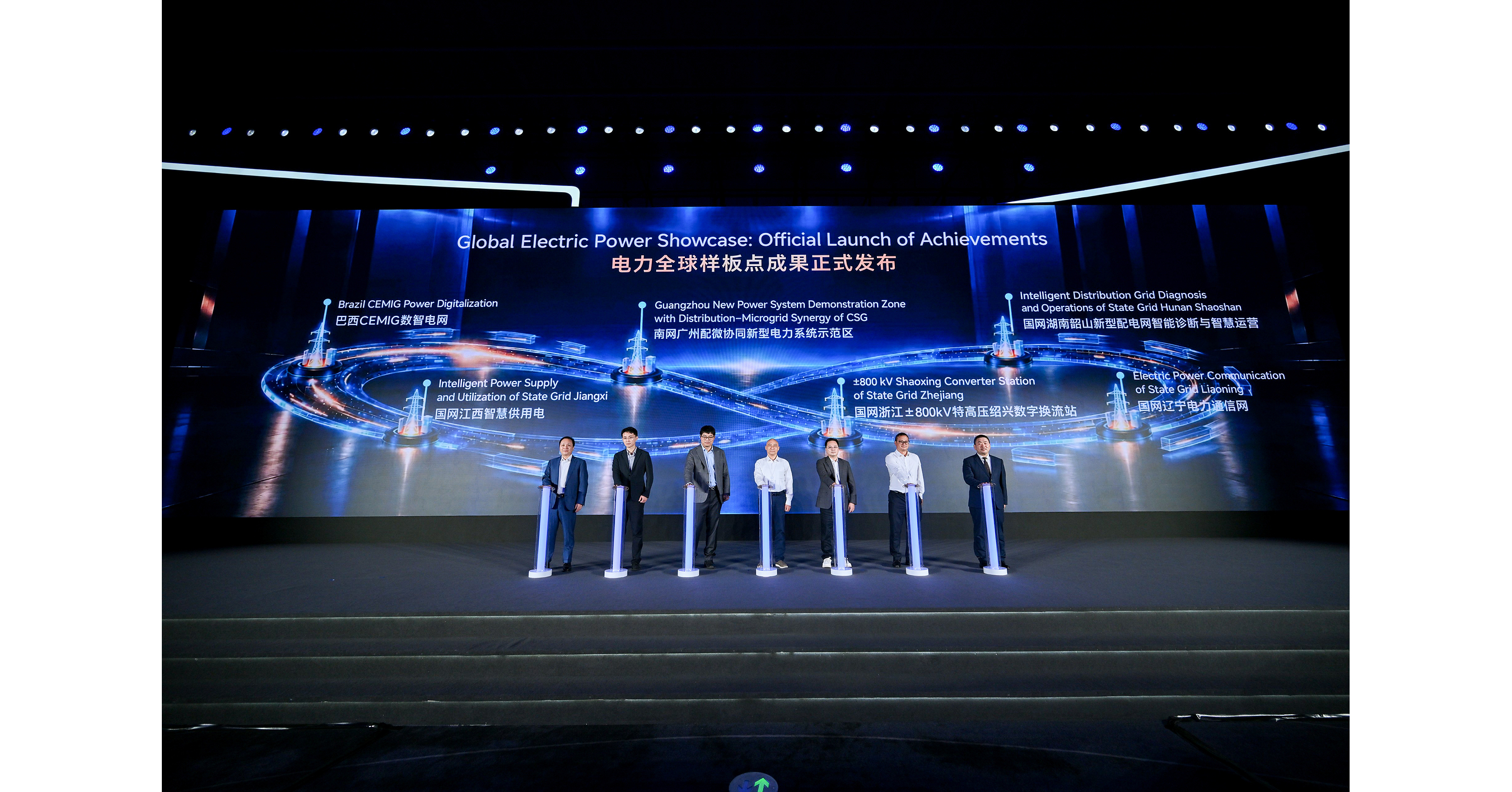
Huawei unveiled six global power-sector demonstration projects at HUAWEI CONNECT 2026, focused on integrating AI, digital infrastructure and electricity networks from generation through consumption. The projects include a digital intelligent grid for Brazil's CEMIG and a ±800 kV UHV digital converter station in Zhejiang, China. Huawei is positioning AI-enabled low-voltage grid management as critical to renewable-energy integration, grid resilience and expanding electricity access, while highlighting that roughly 700 million people globally still lack access to power.
Analysis
This is not a near-term earnings catalyst for listed equities; it is a directional validation of the distribution-grid bottleneck created by data-center load growth, distributed solar/storage, and electrification. The investable read-through is strongest for vendors with installed-base access to utility control systems and low-voltage equipment—ETN, HUBB, NVT, ITRI, ABB and Schneider Electric (SU.PA)—rather than for AI compute suppliers. Utility procurement cycles are typically 12-36 months, but distribution automation and grid-edge visibility can move from pilot to capex budget faster where load interconnection queues are already constraining new data-center projects.
The non-obvious risk is that software-led grid modernization does not translate into proportionate hardware spend: utilities may prioritize sensors, communications and asset-management layers before substation or transformer expansion. Huawei's international role also highlights a geopolitical bifurcation: Chinese and emerging-market utilities may adopt integrated Chinese ICT stacks, while North American and European procurement increasingly favors domestic or trusted-vendor architectures. That fragmentation is structurally positive for ABB, ETN, HUBB, Siemens (SIEGY) and ITRI in Western markets, but only if regulated utilities receive timely rate-base recovery; higher interest rates or hostile regulatory decisions would defer the spend.
Consensus remains focused on transmission and generation capacity for AI data centers. The nearer scarcity may be low-voltage feeder capacity, transformers, protection equipment and real-time distribution controls, where localized upgrades are less headline-grabbing but can carry better pricing power due to qualified-supplier constraints. The thesis is falsified if utility 2027-28 capital plans show grid-edge automation growing below overall T&D capex, or if data-center power-demand forecasts are materially cut through canceled leases and slower hyperscaler capex.
AllMind Terminal
AI-powered research, real-time alerts, and portfolio analytics for institutional investors.
Request TrialMarket Sentiment
Overall Sentiment
mildly positive
Sentiment Score
0.38
Key Decisions for Investors
- No immediate single-name trade on this press release; treat it as a watch-item for utility capex-plan revisions and order commentary over the next 1-3 months.
- Build a 6-18 month basket long ETN, HUBB and ITRI against a short broad infrastructure proxy such as PAVE only if distribution-automation bookings and utility order backlogs accelerate; the pair isolates grid-edge spend from generalized construction-cycle risk.
- Prefer ABB and Schneider Electric (SU.PA) for a European/global automation exposure over pure renewable developers: their revenue capture is tied to grid complexity and electrification capex rather than merchant power prices. Reassess if European utility rate-base growth or industrial automation orders weaken for two consecutive quarters.
- Monitor AI-data-center interconnection queues, transformer lead-time commentary, and regulated-utility rate cases. A sustained easing in transformer lead times combined with falling feeder-upgrade budgets would remove the supply-constrained margin thesis for ETN/HUBB/NVT.
More News
- Oil prices jump after Yemen’s Houthis claim attacks on Saudi facilities
- Saudi, Turkish, Pakistani chiefs plan urgent talks amid Yemen fighting
- US 30-Year Yield Hits Highest Since 2004
- Oil falls amid optimism over potential diplomatic solution to the Iran conflict
- Trump Versus Xi: How Their High-Stakes Summits Compare
- Trump, Xi Address AI, Taiwan During State Visit