
DoGo Power lanza un sistema de almacenamiento de energía (ESS) con capacidad de formación de red
Source: PR Newswire
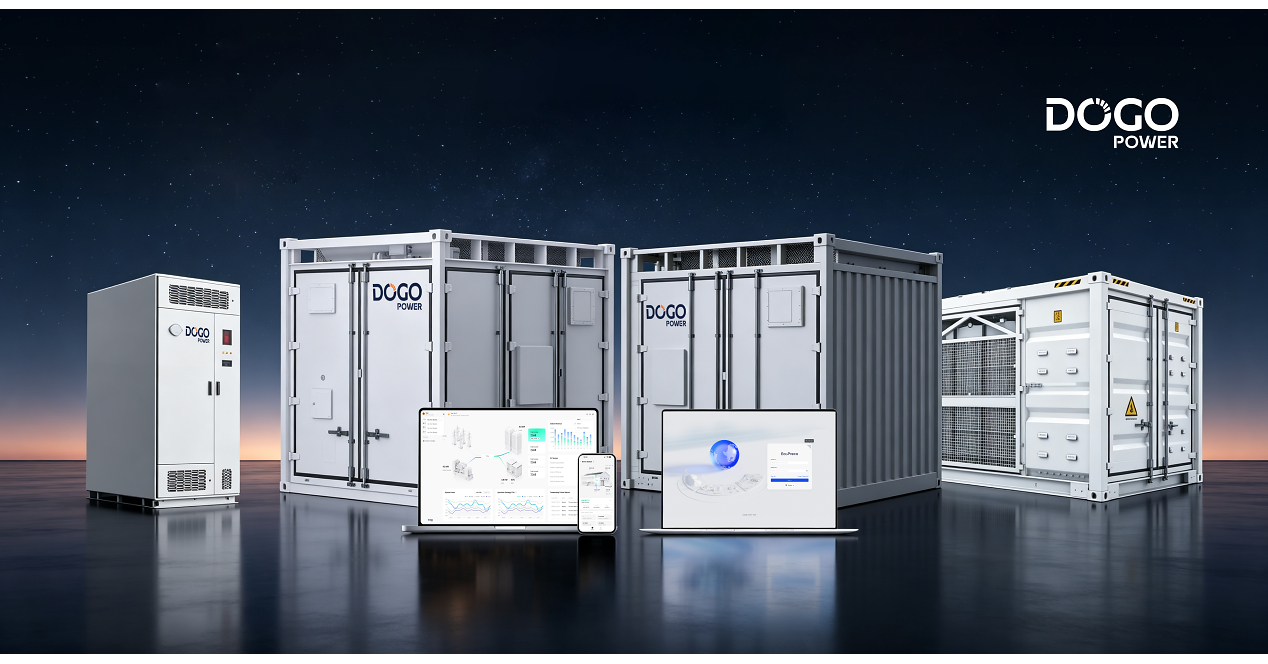
DoGo Power launched grid-forming energy-storage systems for commercial, industrial and utility-scale projects, with all units available for immediate global shipment. Its flagship 10-foot, 1.672MWh C&I container is claimed to reduce upfront CAPEX by US$0.012/Wh, cut footprint by 35%, and shorten project timelines by 5-7 days, while switching between grid-connected and island modes in under 20ms. In an Indonesian off-grid solar-plus-storage demonstration, the company said electricity costs for more than 3,000 residents fell 81% from US$0.35/kWh; the system is expected to deliver over 26 million kWh and avoid more than 22,000 tonnes of CO2 over its life.
Analysis
This is not investable as a standalone catalyst: DoGo is private, the claims are vendor-supplied, and no independently auditable order book, certification status, warranty terms, or delivered-system economics are provided. The relevant read-through is that grid-forming functionality is shifting from a premium feature to a procurement requirement, particularly in weak-grid, islanded and renewable-heavy markets; that raises the value of controls software, power-conversion systems and bankable integration capability more than cell manufacturing alone.
Near term, a purported reduction in onsite labor and installation time would intensify price competition among containerized storage integrators. That is marginally negative for commoditized Chinese battery-system vendors and potentially supportive for suppliers with differentiated inverters and grid-control stacks—SMA Solar (S92.DE), Fluence (FLNC), Wärtsilä (WRT1V.HE) and GE Vernova (GEV)—if utility tenders increasingly score grid-forming performance, commissioning support and long-duration service guarantees. The second-order constraint is not container footprint but interconnection approval, financing and insurance: unproven vendors may win remote microgrids but remain disadvantaged in OECD utility projects where warranty creditworthiness determines bankability.
Over 6-18 months, falling balance-of-system costs can expand the addressable C&I storage market by making smaller, irregular-load sites economic; this is constructive for distributed-energy developers such as Enphase (ENPH) and Generac (GNRC), but only if power-price spreads and demand-charge savings remain sufficient. Consensus may over-extrapolate hardware CAPEX reductions into storage-company margin expansion: lower installed cost typically gets competed into project IRRs and accelerates procurement pressure. Watch grid-forming requirements in Australia, ERCOT, California and European island systems; formal tender language, rather than product launches, is the catalyst for earnings-relevant demand.
AllMind Terminal
AI-powered research, real-time alerts, and portfolio analytics for institutional investors.
Request TrialMarket Sentiment
Overall Sentiment
moderately positive
Sentiment Score
0.48
Key Decisions for Investors
- No direct trade on DoGo Power; place an alert for independently disclosed utility-scale awards, UL/IEC certifications, warranty backing and third-party performance data before treating the claimed cost advantage as commercially material.
- Over the next 3-12 months, prefer a quality basket long GEV and WRT1V.HE versus a short position in the Global X Lithium & Battery Tech ETF (LIT) only after grid-forming tender volumes accelerate: controls and service content should capture more value than battery cells. Reassess if lithium rebounds materially or battery-system ASPs stabilize for two consecutive quarters.
- Watch FLNC after its next bookings and gross-margin update rather than chase launch-driven storage headlines. A long is justified only if contracted backlog converts with margin resilience and management demonstrates that grid-forming software/service attach rates offset hardware price deflation; falsify on renewed guidance cuts or deteriorating cash conversion.
- For C&I exposure, maintain ENPH as a watch item rather than a recommendation: storage attachment can benefit from lower installation cost, but the thesis requires evidence of improving U.S./European demand and channel inventory normalization. A renewed residential solar downturn would dominate any ESS product-cycle benefit.
More News
- Iran stands by demands to end the war as US ramps up military pressure
- Qatar PM to meet Trump: What’s the latest on US-Iran negotiations?
- Key AI chip index just broke its long-term trendline. What history says happens next
- Banks, investors grow wary of AI debt, spooked by market selloff
- Eli Lilly’s Foundayo obesity pill eases sleep apnea in late-stage trial, paving way for approval
- Musk says Tesla will refund some Cybertruck deposits, defends decision to end production
From AllMind Research
- AllMind Platform Feature Updates - Fall 2026
- AI Credit Covenant Monitoring: From Clause to Review
- AI-Led Expert Interviews vs. Transcript Libraries
- The Great Divergence: North American Banking at the Crossroads of Monetary Policy and Agentic AI (Q4 2025 Bank Earnings)
- How to Extract KPIs From Earnings Transcripts With AI